.svg?sfvrsn=a2a08b41_2 "Masdar-City-Free-Zone-Header-Resized")
Import-Export License in the UAE: Requirements, Costs, and Process
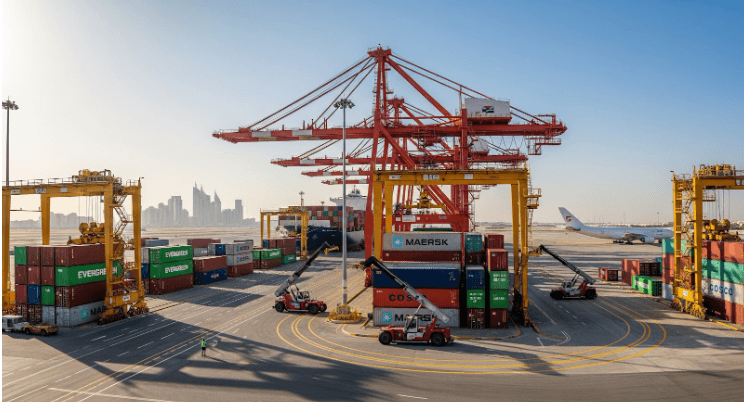
Why Import–Export Businesses Thrive in Abu Dhabi
Abu Dhabi has long been one of the region’s most reliable trade gateways. Its location gives businesses quick access to major sea routes, global shipping corridors, and the region’s busiest airports. For founders working with international suppliers or exporting goods across the GCC, this combination of geography and strong logistics infrastructure creates a steady environment for growth.
Many entrepreneurs choose Abu Dhabi because the setup process is clear, the regulations are business-friendly, and the market supports everything from consumer goods to specialized industrial products. It is a practical place to build a trade business that can scale.
You will see this approach carried through at Masdar City Free Zone, where we help founders build their operations with confidence.
What an Import–Export License Allows You to Do
An import–export license gives you permission to move goods across borders and operate legally within the UAE’s regulatory framework. It is a flexible license that fits a wide range of industries, which is why it remains one of the most requested categories among new business owners.
With this license, you can:
Import products from international manufacturers
Export goods to regional or global markets
Trade and distribute goods within the UAE
Package, store, or re-export items
Work with local and international logistics partners
Who Needs an Import–Export License in the UAE?

Any business that imports or exports physical goods, whether in bulk or smaller quantities needs this license. Common examples include:
General trading companies
Food and beverage distributors
Electronics and hardware traders
Fashion and consumer goods brands
Medical supplies and specialized equipment importers
Raw material suppliers
Import–Export License Requirements
Most entrepreneurs are surprised by how straightforward the requirements are. You will need:
A passport copy and basic identification
A selected business activity
A proposed trade name
A completed initial application
Your preferred legal structure
A workspace (flexi desk or office), depending on visa needs
You can explore activity selection and setup criteria in our License and Registrations section.
Cost Breakdown for Import–Export Licensing
The overall cost depends on the type of business, number of activities, workspace requirements, and visa allocations. Costs stay transparent, so you will not encounter hidden fees during setup. Founders typically account for:
The license fee
Additional activities (if needed)
Visa quotas
Workspace (flexi desk, dedicated desk, or private office)
Customs-related registrations
Step-by-Step Import–Export License Process
Step 1: Choose Your Activities
Select the business activity that best matches the goods you will be trading. This choice affects compliance and the types of products you can deal with.
Step 2: Pick Your Business Structure
Most companies choose either a Free Zone LLC or a branch of an existing entity. The decision depends on ownership and long-term plans.
Step 3: Submit the Initial Application
Once completed, initial approval is typically quick, allowing you to move forward with the next steps.
Step 4: Secure Your Workspace
The workspace type determines your visa quota. A flexi desk fits small teams, while private offices support larger operations.
Step 5: Issue Your License
Once issued, your business can begin trade operations immediately.
Step 6: Complete Customs Registration
Import–export businesses often need to register with customs before shipping goods. Requirements are published by Abu Dhabi Customs, and the process aligns with your chosen activities and the types of goods you intend to trade.
Why Masdar City Free Zone Works Well for Import–Export Firms
Founders who work with physical goods need fast licensing, easy access to airports, and reliable workspace solutions that can scale with demand. Masdar City Free Zone sits just minutes from Zayed International Airport and benefits from Abu Dhabi’s larger logistics ecosystem.
Businesses that operate from our district also value:
A smooth and predictable setup process
Sustainable, modern infrastructure
A community of diverse, growth-focused companies
Simple visa allocation and workspace options
Direct links to Abu Dhabi’s trade and logistics networks
This setup helps import–export companies stay efficient and competitive.
How to Start Your Import–Export Business in Masdar City
When you are ready to build your trade business, the most important step is getting clarity on your activities. Each activity shapes how you operate, the goods you can trade, and the compliance requirements you will follow.
From there, we help you plan your structure, select your workspace, and prepare the documents for licensing. Many founders appreciate having someone walk them through the practical decisions, such as visa allocations, partner onboarding, or customs-related needs, before they launch. It’s a simple process with the right guidance.
Need Support Setting Up Your Trade Business?
If you are exploring your options or want help reviewing the right activities, we are here to support you. Our team works closely with founders building everything from small trading startups to specialized import–export operations.
You can contact us anytime if you would like to talk through the process or get answers tailored to your plans.