.svg?sfvrsn=a2a08b41_2 "Masdar-City-Free-Zone-Header-Resized")
EV Charging Systems in the UAE: Investment & Licensing Guide for 2026
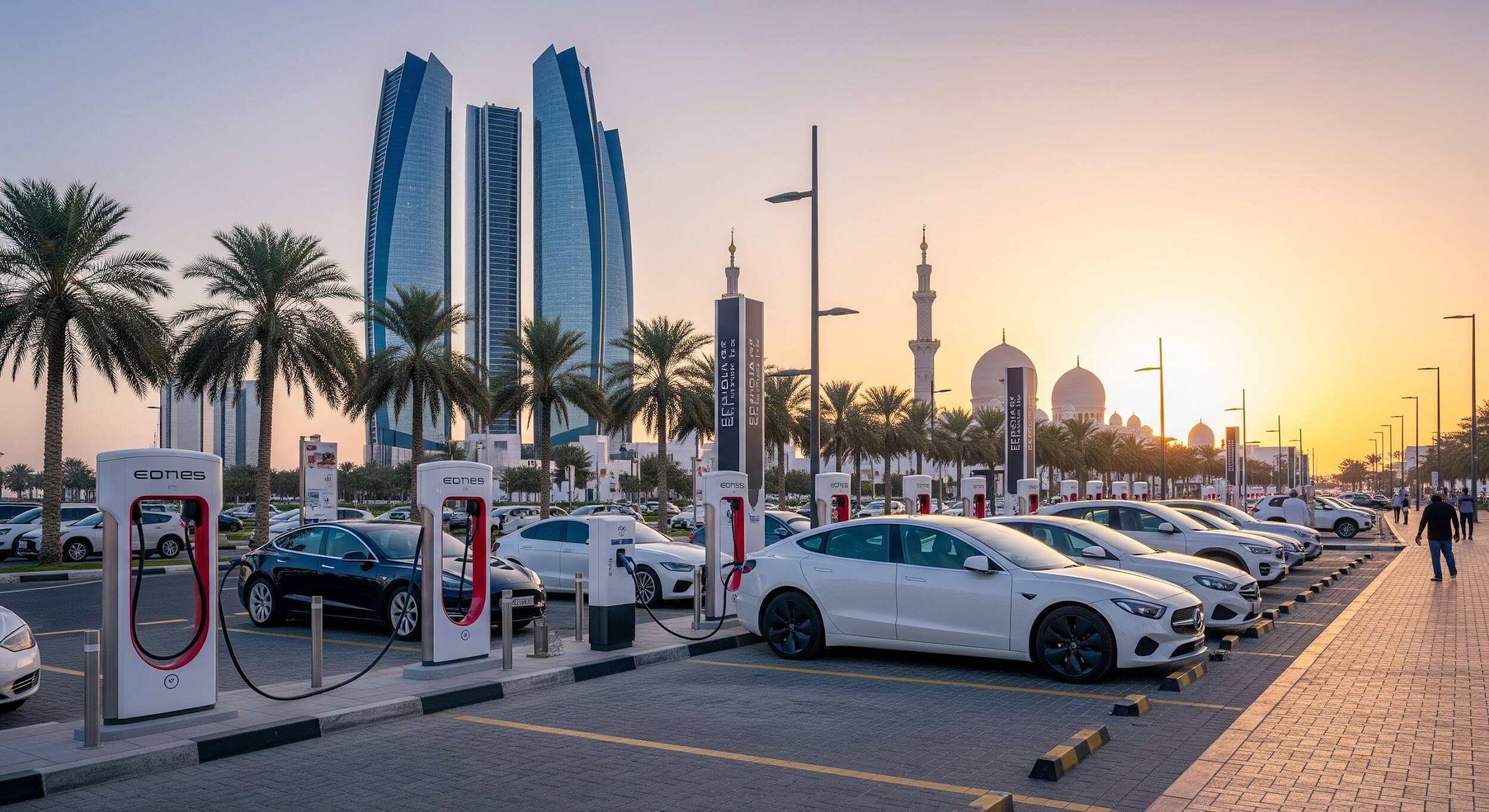
If you’re looking at EV charging as a business opportunity in Abu Dhabi, the technology is rarely the hard part. What slows most projects down is uncertainty. Investors often move forward with a strong concept, only to realize later that costs were underestimated, licensing was misunderstood, or the operational model was never fully tested.
We work closely with businesses exploring new mobility and clean technology sectors, and this concern comes up time and again. Where do you start without locking yourself into decisions too early? This guide is written to answer that question. It breaks down the investment logic, licensing considerations, and operating realities behind EV charging systems, so you can plan clearly and move forward with confidence rather than assumptions.
Why Abu Dhabi is Becoming a Natural Home for EV Charging

Abu Dhabi is not treating electric mobility as a trend to react to. It’s being planned as long-term infrastructure, with clear regulatory oversight and strong alignment between transport, energy, and sustainability goals.
For you as an investor or operator, that approach matters as it creates predictability. EV charging projects here tend to work best when they’re designed to fit into a wider system rather than operating in isolation. Site planning, grid coordination, and future growth are considered early on, not added as an afterthought.
This is one reason interest in UAE EV charging projects continues to grow, particularly among businesses that are thinking about scale rather than short-term visibility.
A Practical Investment Checklist Before You Commit
Before licenses or locations come into play, it helps to pressure-test the commercial fundamentals. These are the areas that most often determine whether an EV charging project remains viable over time.
Start With Real-World Usage
Ask yourself who will actually use the chargers. Fleet vehicles, office tenants, residential communities, or the general public all behave differently. Usage patterns directly affect pricing, utilization, and hardware requirements.
Be Realistic About Upfront Capital
Capital expenditure usually includes:
Charging hardware and management software
Installation and civil works
Grid connectivity and site preparation
The most common mistake is building too much capacity before demand is proven. Modular systems give you room to expand without unnecessary upfront costs.
Plan Operating Costs From Day One
Operational costs should never be treated as a later problem. These often include:
Energy supply arrangements
Preventative maintenance and system monitoring
Software licenses and updates
If the operating model is unclear, profitability rarely is.
Choose Locations That Support Behavior, Not Just Traffic
High footfall doesn’t always mean high utilization. The best EV charging sites align with how people already move, park, and spend time. Accessibility, dwell time, and grid readiness matter more than raw numbers.
How Licensing Works in Practice

Licensing does more than authorize your business. It defines how you operate, how you scale, and what you’re allowed to add later.
Define the Right Business Activity
EV charging operations typically fall under clean technology or service-based activities. Choosing the right scope early prevents delays when expanding or introducing complementary services.
Select a Legal Structure that Supports Growth
Depending on your plans, you may establish:
A Free Zone Limited Liability Company
A branch of a foreign company
A branch of a UAE-based company
Each structure carries different compliance and operational implications, so this decision should reflect where you want the business to be in two or three years, and not just at launch.
Apply for License and Registration
Once the activity and structure are confirmed, the licensing process follows a defined sequence of documentation, review, and approval. If you want a clearer picture of what this involves, the License & Registration page outlines the process and typical requirements in detail.
Align with Energy Regulation From the Outset
Because EV charging connects directly to the power network, projects must align with Abu Dhabi’s energy governance framework. According to the Abu Dhabi Department of Energy, energy infrastructure operates under defined regulatory oversight to support system reliability, safety, and long-term sustainability.
Understanding CAPEX and OPEX
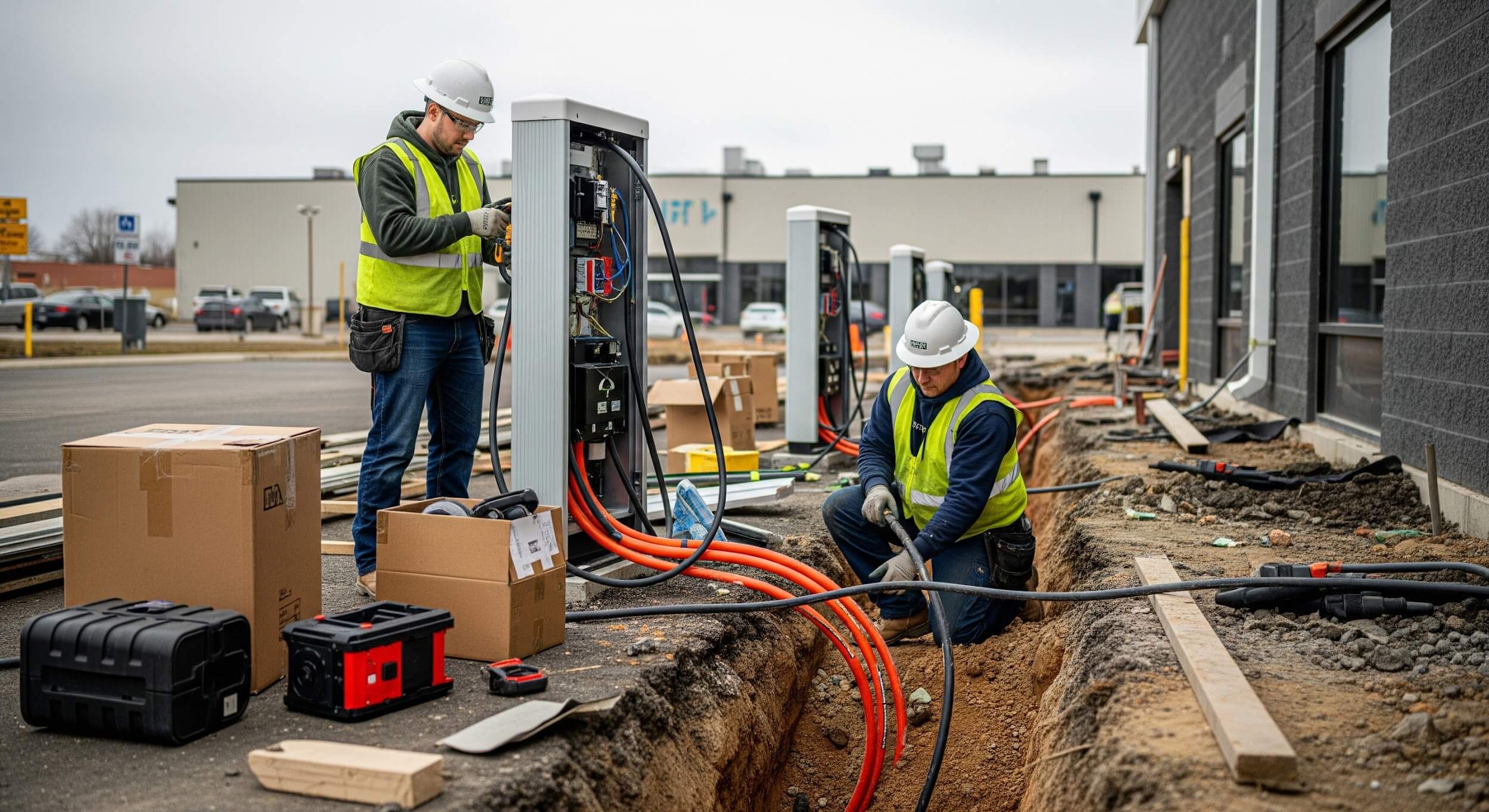
Strong EV charging projects keep capital and operating costs in balance.
Managing Capital Expenditure
Charging infrastructure works best when it can scale gradually. Systems that allow capacity to grow alongside demand protect cash flow and reduce early risk.
Keeping Operating Costs Predictable
Long-term performance depends on:
Stable energy procurement
Planned maintenance rather than reactive fixes
Data-led insight into usage and performance
When operating costs are planned with the same care as initial investment, the business remains easier to manage and adapt.
How EV Charging Fits Into Abu Dhabi’s Mobility Landscape
EV charging rarely succeeds as a standalone play. In Abu Dhabi, it increasingly connects with broader smart mobility initiatives, data-driven transport planning, and clean energy strategies.
For operators, this creates opportunities to:
Work alongside mobility and technology partners
Participate in pilot programs that inform future rollouts
Align with transport infrastructure designed for the long term
Projects that integrate into these environments tend to move faster and adjust more smoothly as standards evolve.
Common Questions From First-Time EV Charging Investors
How long does setup usually take?
Timelines vary depending on licensing scope, site readiness, and approvals. Early planning reduces delays far more effectively than rushing applications.
Is EV charging a short-term opportunity?
Most successful operators treat EV charging as infrastructure, not a quick-return asset.
What causes the most friction early on?
Underestimating operational complexity, particularly around energy coordination and ongoing maintenance.
Proceeding with Confidence
Beyond the installation process, EV charging is about building infrastructure that works financially, operationally, and within Abu Dhabi’s wider mobility framework.
At Masdar City Free Zone, we see the strongest outcomes when businesses align licensing decisions, cost models, and long-term use cases from the start. If you’re exploring how your EV charging concept fits into this landscape and want to talk through the practical considerations, you can reach out to us. We are here to help you make informed decisions and move forward with confidence.