.svg?sfvrsn=a2a08b41_2 "Masdar-City-Free-Zone-Header-Resized")
Launching an Environmental Engineering Consultancy in Abu Dhabi Free Zones

Environmental requirements in Abu Dhabi are becoming more structured, visible, and closely monitored. Projects across construction, energy, infrastructure, and sustainability are expected to meet defined environmental standards from the outset. As a result, demand for qualified environmental engineering consultancies is growing, but so is regulatory scrutiny.
If you’re considering launching an environmental engineering consultancy in an Abu Dhabi free zone, it’s essential to understand both the opportunity and the compliance landscape. This guide walks through what these consultancies typically do, which regulations apply, how registration works at a high level, and what to consider before you apply.
What Does an Environmental Engineering Consultancy Do?
An environmental engineering consultancy provides technical and advisory services that help organizations assess, manage, and reduce environmental impact. In Abu Dhabi, these services are closely linked to regulatory compliance and sustainability objectives.
Typical service areas may include:
Environmental impact assessments (EIAs) for development projects
Environmental monitoring and reporting
Sustainability and ESG advisory support
Technical studies related to air, water, soil, or waste management
These services often support decision-making for developers, government bodies, or private organizations. As the outcomes can influence approvals and long-term environmental risk, they’re treated as regulated professional activities rather than general consulting services.
What Regulations Apply in Abu Dhabi Free Zones?
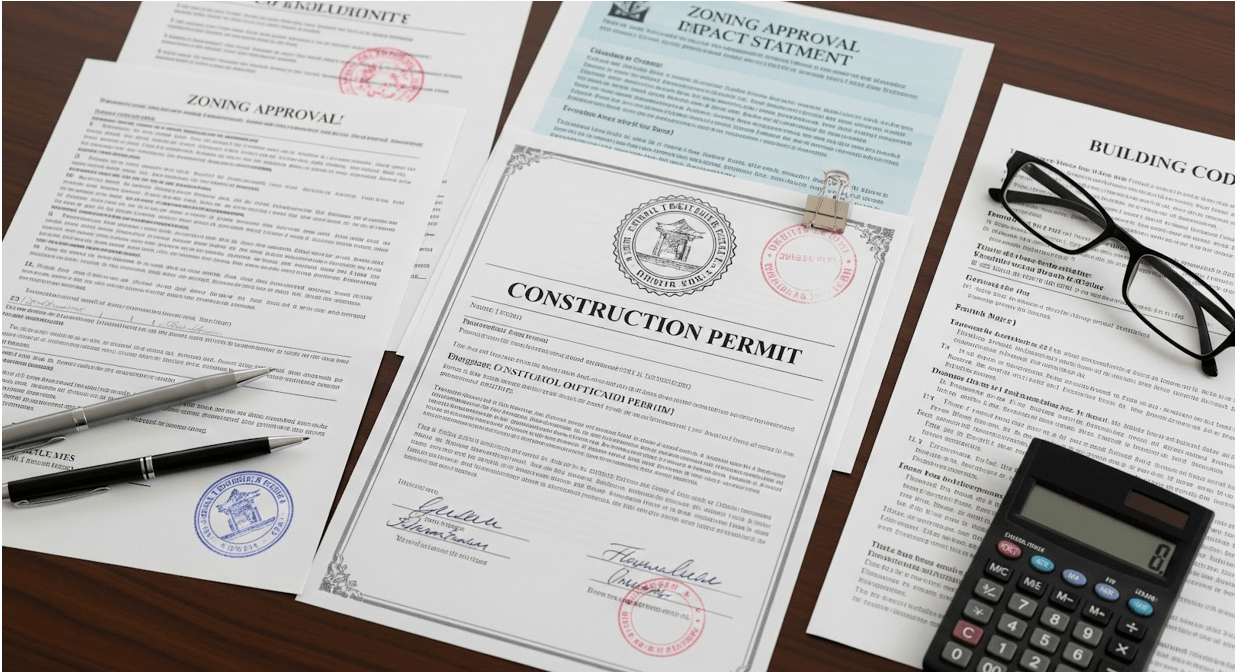
Environmental engineering services are subject to oversight from multiple authorities. While free zones handle licensing and company registration, environmental activities may also require alignment with external regulators depending on the scope of work.
In Abu Dhabi, environmental compliance is overseen by bodies such as the Environment Agency – Abu Dhabi, which sets standards and approval frameworks for environmental assessments and monitoring activities. Its official guidance explains how environmental protection, permitting, and compliance are managed across the emirate.
For businesses, this means licensing alone is not always the final step. You may need to demonstrate that your consultancy’s services, methodologies, and professional credentials meet applicable environmental regulations. Understanding this early helps avoid delays or restrictions later.
This is where reviewing the Legal & Regulation framework becomes important, as it clarifies how regulatory responsibilities intersect with free zone licensing.
Who Can Launch an Environmental Engineering Consultancy?
Launching an environmental engineering consultancy typically requires more than general business experience. Since the work involves regulated assessments and technical reporting, credibility matters.
In practice, this usually means:
Founders or key personnel have relevant professional backgrounds
The consultancy can demonstrate appropriate technical expertise
The business structure supports regulated professional services
Both individual professionals and established firms can set up consultancies, including branches of international companies, provided they meet local requirements. The emphasis is less on company size and more on professional capability and compliance readiness.
Step-by-Step Overview: Setting Up in an Abu Dhabi Free Zone
While the exact process varies by free zone and service scope, the setup generally follows a clear sequence.
Define your service scope
Clearly outline the environmental engineering services you intend to offer and ensure they align with permitted activities.Select a suitable free zone structure
Choose a legal structure that fits your business model, such as a new entity or a branch operation.Prepare documentation and credentials
This may include professional profiles, company details, and technical descriptions of your services.Confirm regulatory alignment
Identify whether additional approvals or coordination with environmental authorities are required.Complete licensing and registration
Finalize the license once regulatory and free zone requirements are satisfied.
For more details on how licensing is structured, our License and Registration page provides useful information.
Common Questions About Environmental Engineering Consultancies
Can services be offered outside the free zone?
This depends on the license type and the nature of the work. Some activities may be limited by jurisdiction or require additional permissions.
Are extra approvals required after licensing?
In some cases, yes. Environmental work may require project-specific approvals or coordination with regulators beyond the initial business licence.
Can international firms establish a presence?
International consultancies can operate through branch structures, provided they meet local regulatory and professional requirements.
Understanding Compliance Before You Launch
Environmental engineering is a responsibility-heavy field. Mistakes or misalignment can affect project approvals, reputations, and long-term operations. Free zones provide a structured entry point, but they don’t remove the need for careful regulatory planning.
Taking time to understand environmental obligations, authority oversight, and professional expectations before you apply can make the difference between a smooth launch and a stalled application.
If you’d like to clarify how your proposed services fit within Abu Dhabi’s regulatory framework, or you want guidance before starting the registration process, you can get in touch with our team for support tailored to your plans.