.svg?sfvrsn=a2a08b41_2 "Masdar-City-Free-Zone-Header-Resized")
Why Abu Dhabi Is the Next Data Center Hub: Free-Zone Advantages
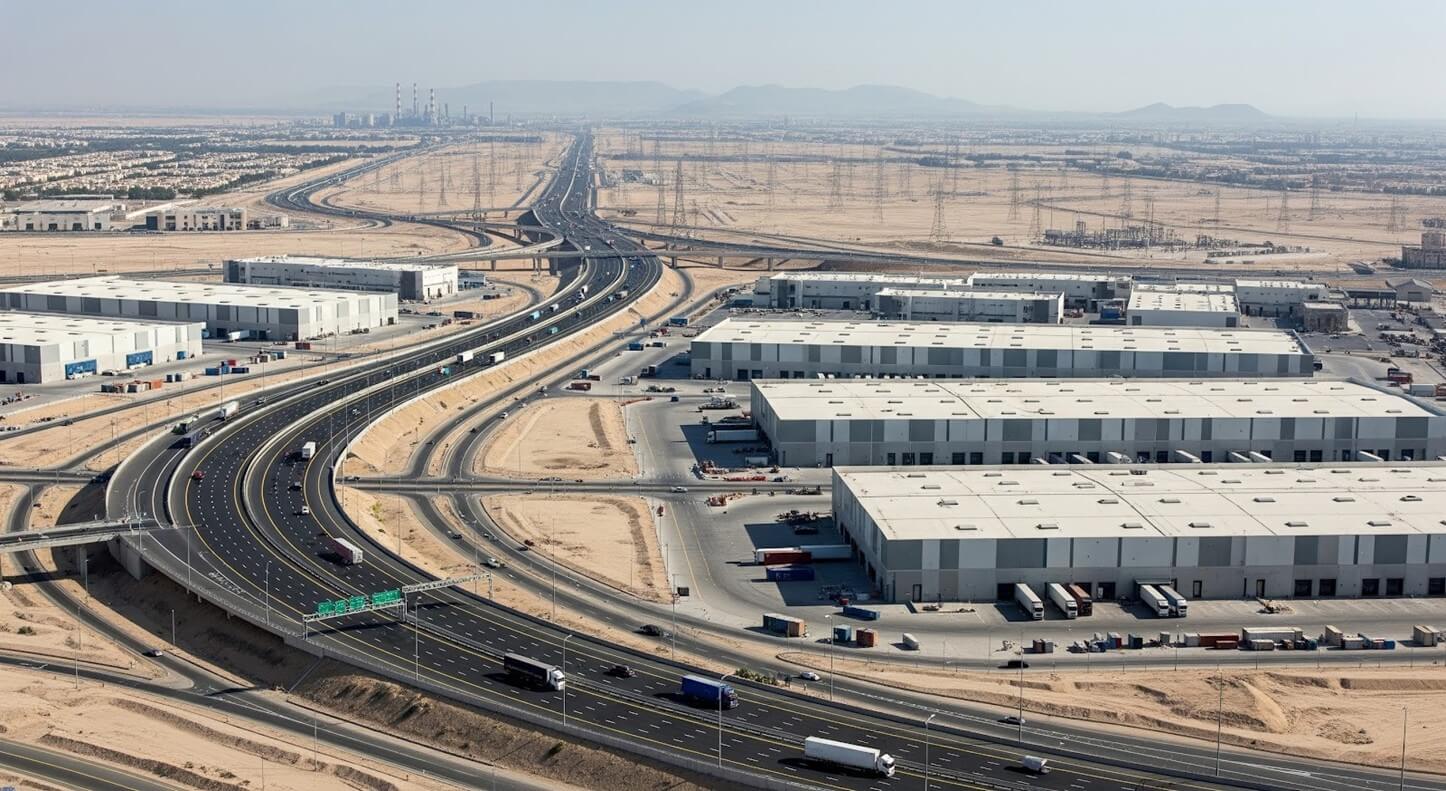
Global data volumes are accelerating, and with them the need for resilient, energy-aware digital infrastructure. Location decisions that once focused mainly on connectivity now hinge on power security, cooling efficiency, land availability, and long-term sustainability. Within this shift, Abu Dhabi is increasingly viewed as a credible base for large-scale data center development, supported by deliberate infrastructure planning and a clear operating framework.
This article explains why Abu Dhabi is emerging as a data center hub, what developers need to consider around power, cooling, and site planning, and how free zones support long-life digital assets.
Why Abu Dhabi is Emerging as a Data Center Hub
Abu Dhabi’s appeal as a data center location is rooted in long-term planning rather than short-term demand spikes. The emirate has invested steadily in energy infrastructure, digital connectivity, and land-use planning aligned with economic diversification goals.
From a regional perspective, Abu Dhabi sits at the intersection of key global data routes connecting Europe, Asia, and Africa. That geographic position supports low-latency regional access while enabling scale. More importantly, the emirate’s approach to infrastructure is coordinated. Energy, land, and policy decisions are designed to work together rather than evolve in isolation.
As highlighted in Abu Dhabi’s official digital strategy, the emirate positions digital infrastructure as a core pillar of its long-term economic vision, providing dedicated support for capital-intensive, future-focused assets like data centers - a critical factor for developers planning long-life operations
Power Availability & Grid Planning Considerations
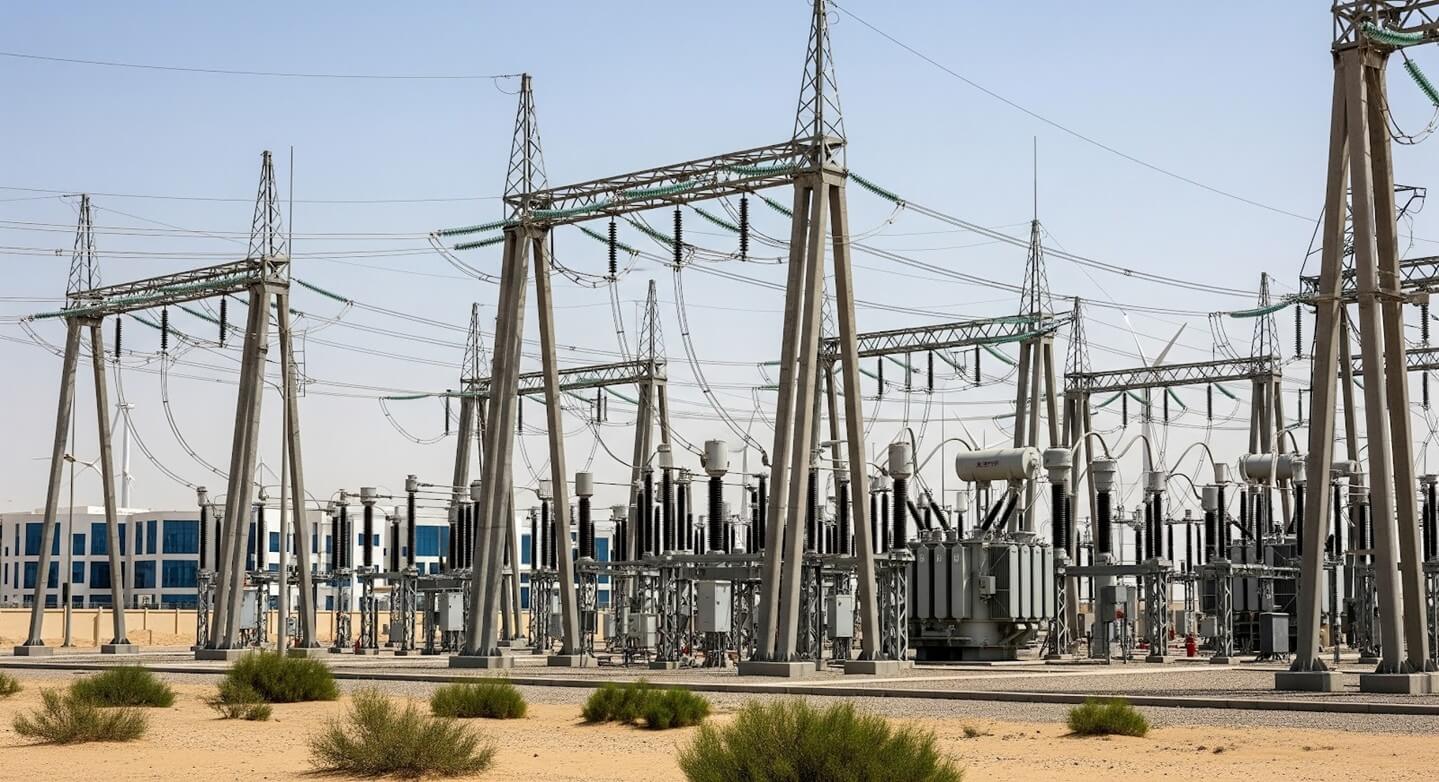
Reliable power is the foundation of any data center project. For developers, the question is whether supply can scale predictably over decades.
Abu Dhabi’s grid planning prioritizes long-term capacity and resilience. Large infrastructure projects are assessed against future demand scenarios rather than short-term loads, which is particularly relevant for data centers with phased expansion models. This approach reduces the risk of capacity constraints emerging after initial deployment.
For a data center developer, this level of planning provides confidence that power availability will not become a limiting factor as compute density and operational requirements increase over time.
Cooling Challenges & Climate-Aware Design
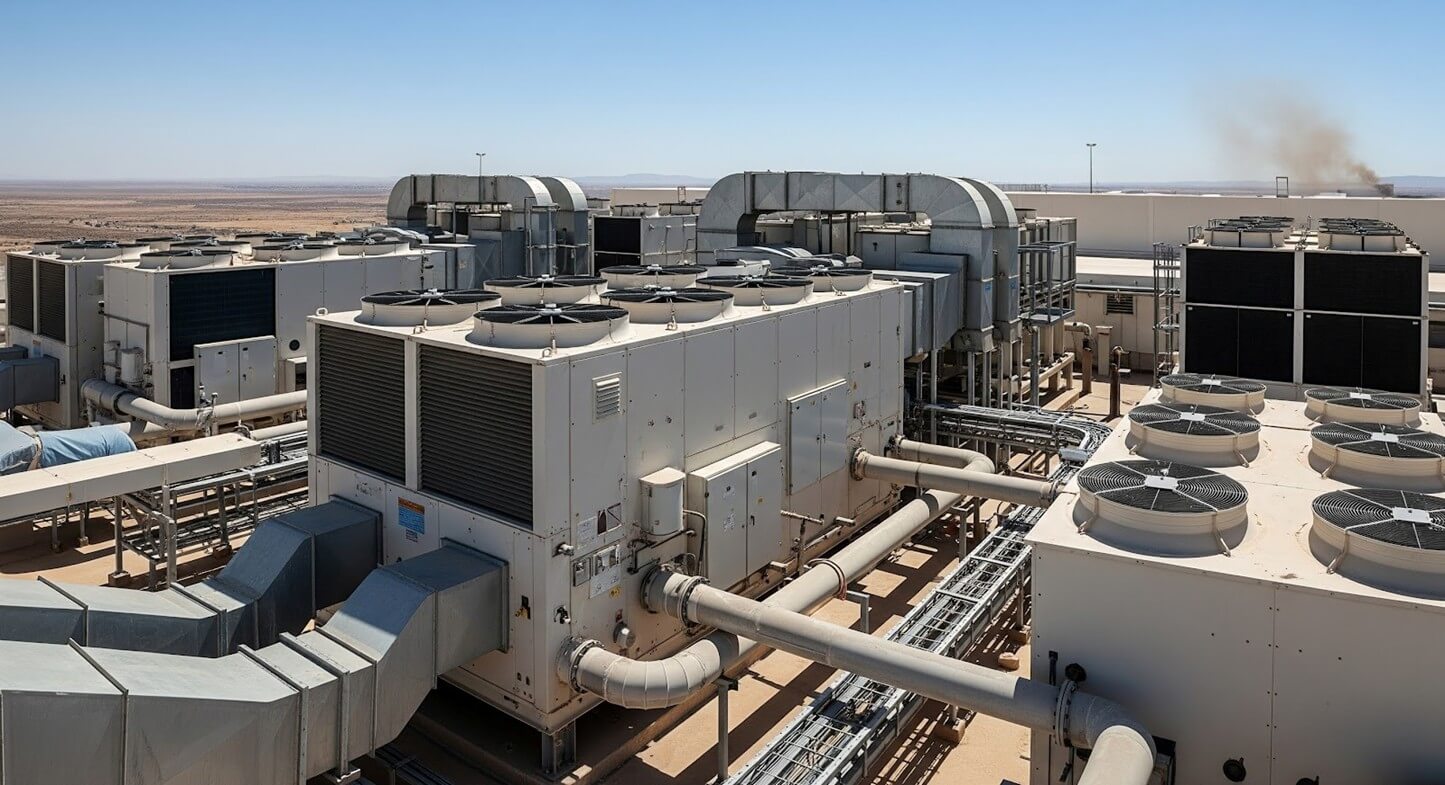
Cooling is one of the most critical planning considerations in warm climates. In Abu Dhabi, effective data center design starts with acknowledging environmental conditions and planning accordingly.
Rather than treating cooling as a purely mechanical problem, successful projects integrate climate-aware design from the outset. This includes site orientation, layout efficiency, and strategies that reduce thermal load before mechanical systems are applied. Energy-efficient cooling approaches are not only operationally strategic, they are increasingly expected as part of responsible infrastructure development.
In this context, cooling strategy is less about technology choices and more about holistic planning. Projects that address climate realities early tend to perform better over their full operational lifespan.
Sustainability as a Strategic Requirement, Not a Bonus
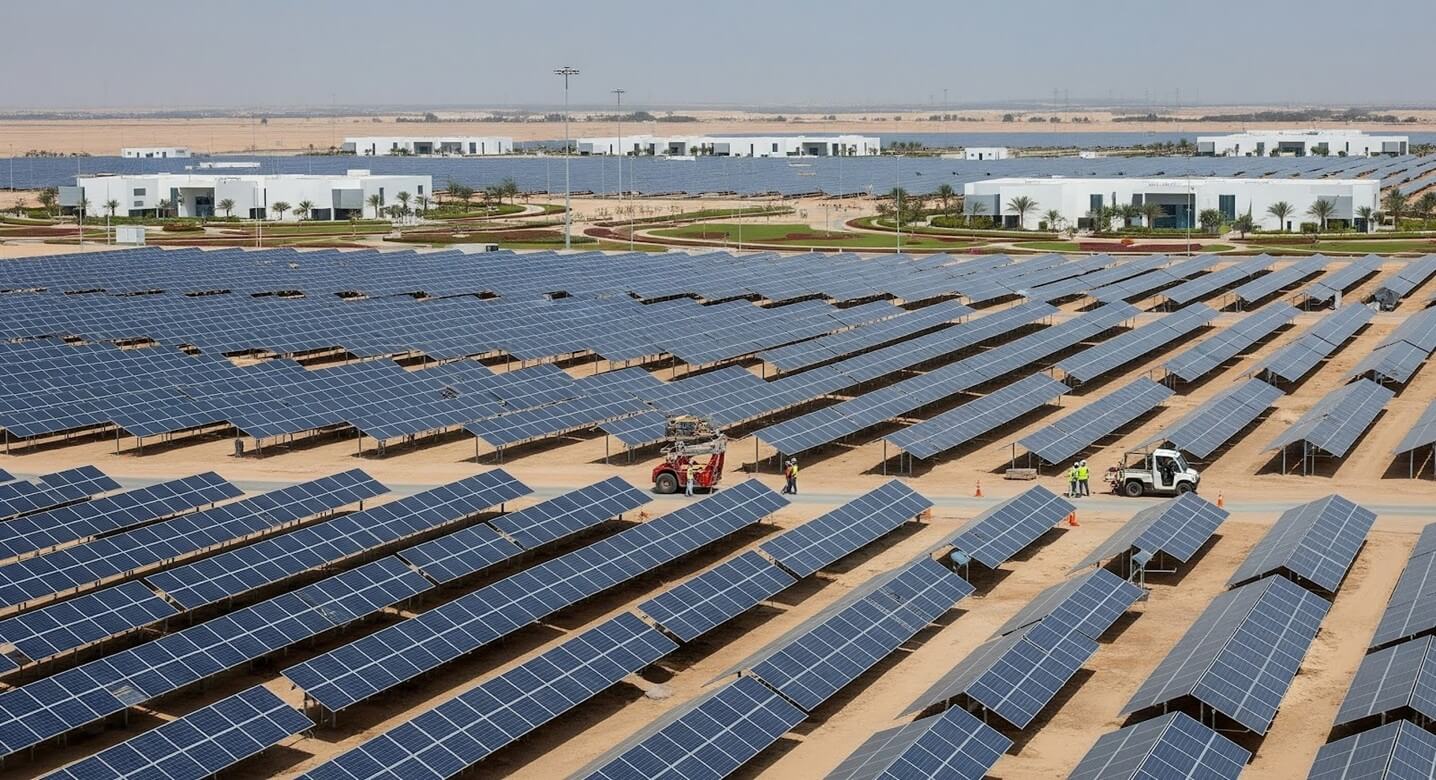
Sustainability is no longer an optional add-on for data centers. Investors, operators, and regulators now view energy efficiency and environmental responsibility as baseline requirements.
Abu Dhabi’s sustainability objectives align closely with this shift. Data centers that prioritize efficient power use, responsible cooling, and long-term environmental performance are better positioned to remain viable as standards evolve. Sustainability, in practical terms, supports resilience by lowering operating risk and improving long-term asset value.
For operators planning assets with 20- to 30-year lifecycles, sustainability considerations directly influence commercial durability.
Why Free Zones Support Long-Term Data Center Development
Large-scale data centers benefit from environments where land use, leasing, and regulatory frameworks are clearly defined. Free zones in Abu Dhabi offer that clarity, which is particularly important for capital-intensive projects that cannot easily relocate or reconfigure.
Within Abu Dhabi’s free-zone landscape, long-term planning certainty supports staged development, infrastructure integration, and predictable operational conditions. This is where leasing structures and zoning frameworks become as important as technical design.
Developers exploring suitable environments can review how Commercial Leasing supports large facilities that require long planning horizons and consistent regulatory alignment.
When considering Abu Dhabi’s broader ecosystem, Masdar City Free Zone illustrates how free zones are integrated into the emirate’s sustainability and infrastructure vision rather than operating as isolated jurisdictions.
Who Should Consider Abu Dhabi for Data Center Development?
Abu Dhabi is best suited to organizations planning long-life digital infrastructure rather than short-term deployments. This includes hyperscalers, enterprise operators, and infrastructure investors focused on regional scale and long-term performance.
The emirate’s strengths align with projects that value predictability, energy planning, and sustainability as much as connectivity. For teams evaluating where to commit significant capital over decades, these factors carry more weight than rapid entry alone.
Understanding the Long-Term Picture
Data centers are foundational assets. Once built, their location shapes operating costs, environmental impact, and scalability for years to come. Abu Dhabi’s approach reflects an understanding of that reality, combining infrastructure planning, sustainability priorities, and structured operating environments.
For organizations assessing whether the emirate fits their strategic roadmap, the next step is often a deeper conversation around site planning and operational context. If you’re evaluating options or want to discuss how free-zone environments support long-term digital infrastructure, you can get in touch to explore your plans in more detail.