

Join +1500 world known Global Innovators and companies
•
Join +1500 world known Global Innovators and companies
•
Join +1500 world known Global Innovators and companies
We Are Masdar City Free Zone
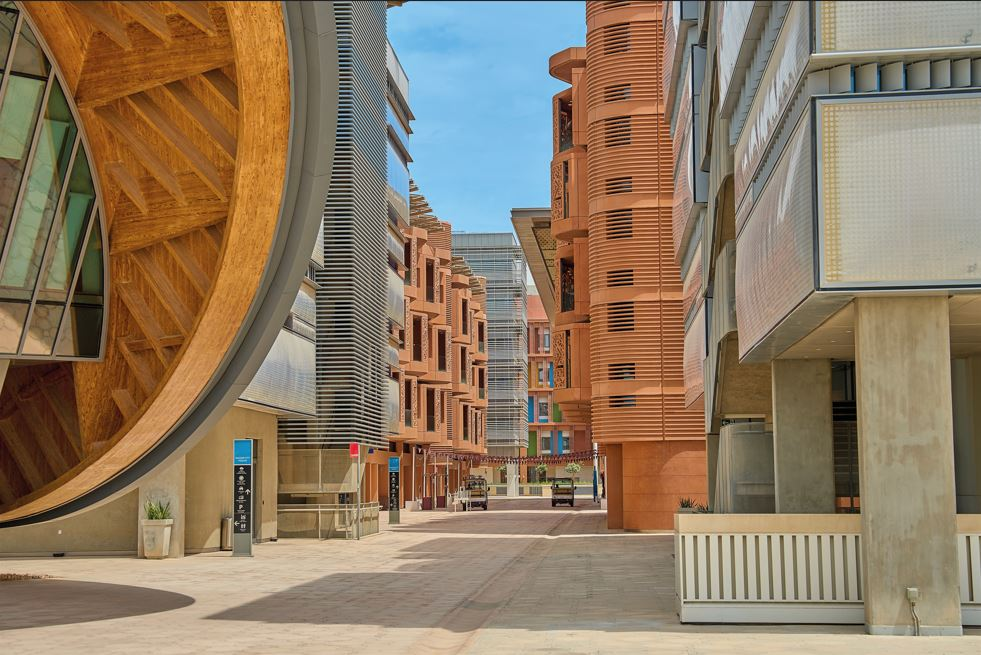
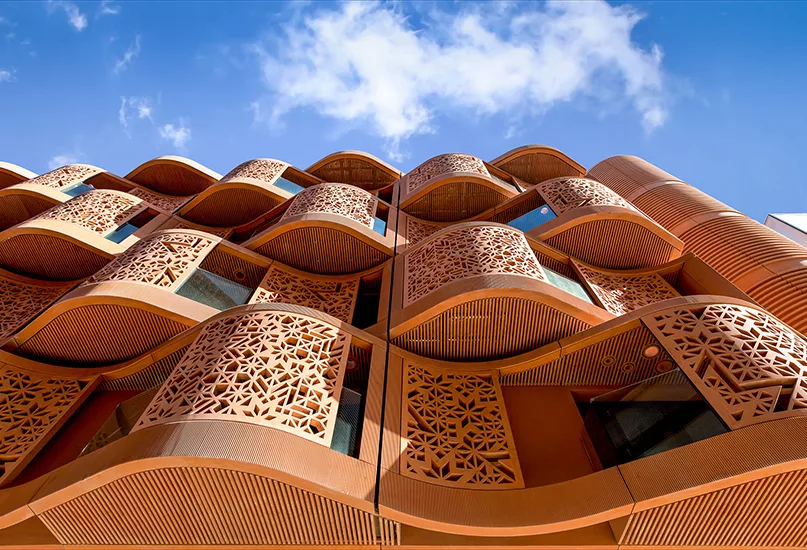
Based in Abu Dhabi, we support startups, SMEs and international companies as they establish and grow with 100% foreign ownership.
We are home to more than 2,500 companies and offer over 1,000 approved business activities within an innovation ecosystem shaped by sustainability, technology and research.
WHY MASDAR FREEZONE
Built for Businesses
That Want to Grow Responsibly.
Five reasons founders and investors
choose Masdar City Free Zone.
 SETUP
SETUP
Zero setup friction
100% foreign ownership,
zero hidden fees
 RESEARCH
Built for R&D
Dedicated space across AI,
life sciences, mobility and more
 SUSTAIN
Sustainability at the core
Anchored by Abu Dhabi's renewable energy
and clean-tech leadership
 CONNECTION
Global gateway
Direct route to Abu Dhabi's
government-led initiatives
 FLEXIBILITY
Flexible by design
From flexi-desk to
lab-ready space, on your terms

HOW MUCH
Know Your Setup Cost
Before You Commit
A transparent, instant estimate.
No hidden fees, no obligation.
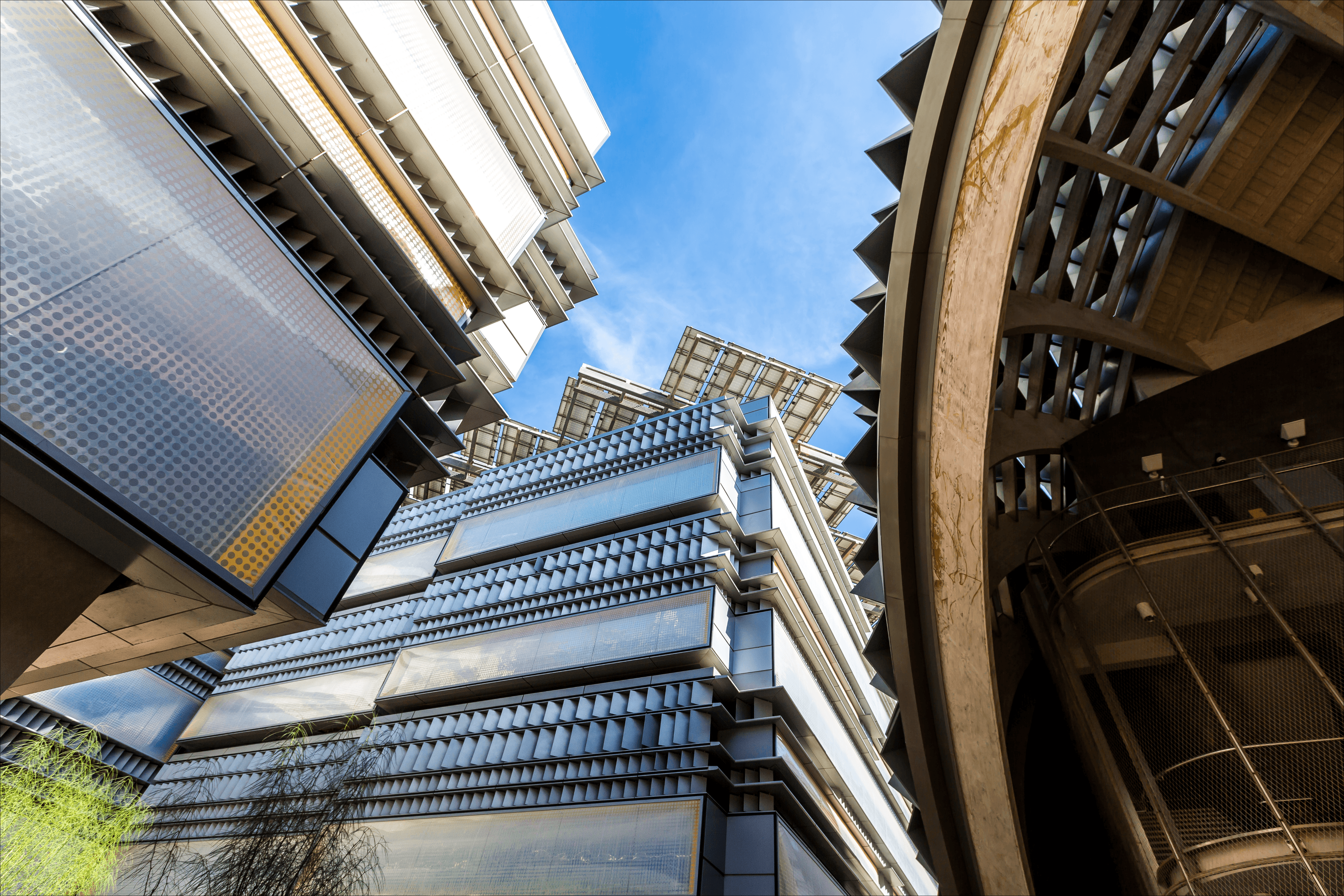
The estimate reflects real license and facility options, not a generic starting price. It's the fastest way to understand exactly what setting up in Masdar City involves, start to finish.
Answer a few quick questions about your business activity and team size to see a clear cost breakdown in minutes.
Our secure digital portal makes document submission simple. Track your application status in real time and get guided support at every step, no surprises, no delays.
Upload your documents and we'll confirm requirements within one business day.
From flexi-desks to dedicated labs and private offices, explore workspace options tailored to your team size and business needs, ready as soon as your license is issued.
Book a walkthrough of available spaces across Masdar City.
100% foreign ownership,
zero hidden fees, and a free zone
built for R&D economy.

Industries
Six Clusters Driving
Abu Dhabi's Innovation Economy
From renewable energy to
artificial intelligence, find where
your business fits.
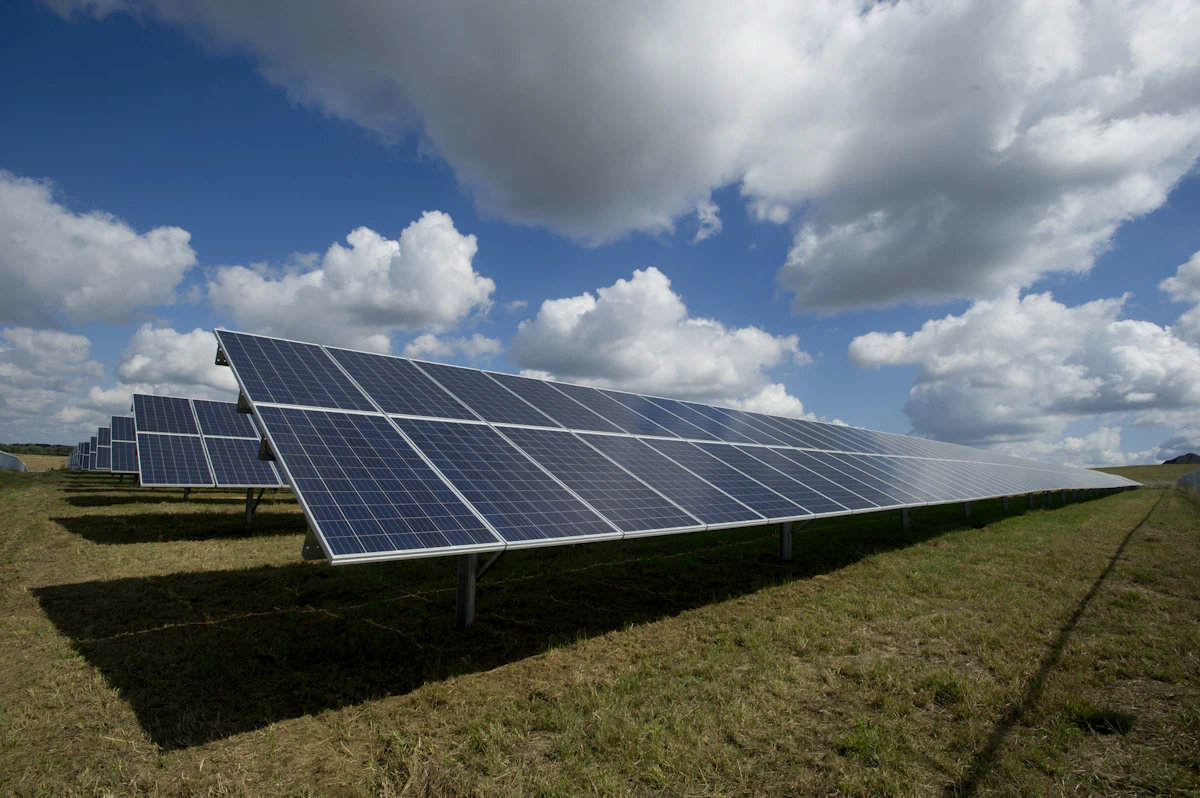


Energy
Renewables and clean-tech,
home to IRENA and Siemens Energy


Life Sciences
Advancing biotech and healthcare innovation ecosystems


Space Tech
Building the region's space and satellite technology hub


SAVI
Smart and Autonomous Vehicles Industry testbed and innovation zone


AGWA
Agriculture technology and water solutions for a sustainable future

AI
Driving artificial intelligence research and applied innovation
CEO’S MESSAGE
Our
Leadership.


Industries
Six Clusters Driving
Abu Dhabi's Innovation Economy
From renewable energy to
artificial intelligence, find where
your business fits.
UAE Climate Law 2026: What Free Zone Companies Must Do Before the May 30 Deadline
Understand UAE climate reporting requirements for Abu Dhabi free zone companies before the May 2026 compliance deadline

UAE Climate Reporting Rules Now Apply to Every UAE Business
A lot of free zone companies still assume the UAE’s new climate reporting rules only apply to heavy industry, oil and gas operators, or mainland corporations. That assumption could become expensive in a simple matter of weeks.
Federal Decree-Law No. 11 of 2024 on reducing climate change impacts has come into effect, requiring all entities operating in the UAE to measure, report, and develop plans to reduce their greenhouse gas (GHG) emissions. The full compliance deadline is 30 May 2026. Businesses that fail to comply could face fines ranging from AED 50,000 to AED 2,000,000 for first offences, with penalties potentially doubling for repeat offences.
For startups, SMEs, consultancies, technology firms, and service businesses in Abu Dhabi free zones, the challenge is not just understanding the law. It’s figuring out what practical steps need to happen before the deadline.
The good news is that most businesses do not need to become climate experts overnight. They do, however, need a clear understanding of what the law requires and how to start preparing now.
What the UAE Federal Climate Law Means for Free Zone Companies
The UAE introduced Federal Decree-Law No. 11 of 2024 as part of the country’s long-term climate and net-zero strategy. The law establishes a national framework for monitoring greenhouse gas emissions and improving environmental accountability across the private sector.
According to the UAE Legislation, the law applies across the UAE economy, including businesses operating inside free zones.
This matters because many companies still view free zones as separate regulatory environments. When it comes to climate reporting obligations, they are not exempt.
For businesses looking for clarity around the UAE climate law affecting free zone companies in 2026, the core requirement is straightforward: companies must begin measuring, documenting, and in some cases reducing their greenhouse gas emissions through approved reporting processes.
In practical terms, businesses may need to:
Measure operational emissions
Track electricity and energy consumption
Submit emissions data through official channels
Prepare emissions reduction measures where required
Maintain records for regulatory review
Work with approved third-party verifiers where applicable
The law is part of a much larger global shift. Investors, regulators, financial institutions, and supply chain partners increasingly expect businesses to understand their environmental impact, even if they operate in office-based industries rather than manufacturing.
For free zone businesses in Abu Dhabi, climate reporting is quickly becoming part of standard operational compliance, not a niche sustainability initiative.
Understanding Scope 1 and Scope 2 Emissions in Plain Language
One reason many companies delay preparation is because climate reporting language sounds far more technical than it really is.
Most businesses are simply being asked to measure where their operational emissions come from.
What Are Scope 1 Emissions?
Scope 1 emissions are emissions your business creates directly.
For example:
Fuel used by company-owned vehicles
Diesel generators powering operations
Fuel consumed by machinery or equipment
Refrigerant leaks from cooling systems
If your business burns fuel or directly operates equipment that produces emissions, those emissions usually fall under Scope 1.
For many office-based businesses, Scope 1 emissions may actually be relatively small.
What Are Scope 2 Emissions?
Scope 2 emissions are indirect emissions created through the energy your business purchases and uses.
For most free zone companies, this usually means:
Electricity consumption
Air conditioning and cooling usage
Power used for office operations
Energy consumed in leased workspaces
This is where building infrastructure starts to matter.
Emission Type | What It Means | Common Business Example |
Scope 1 | Direct emissions from business operations | Company vehicles or generators |
Scope 2 | Indirect emissions from purchased energy | Electricity powering offices and cooling systems |
For many SMEs and startups operating in Abu Dhabi free zones, Scope 2 emissions will likely represent the largest portion of their reporting obligations.
That is also why energy-efficient buildings can create a genuine compliance advantage.
What Free Zone Companies Must Do Before May 30, 2026
The businesses that handle this transition best are the ones treating climate compliance like any other operational process: structured, measurable, and planned early.
Waiting until May 30th creates unnecessary pressure, especially for companies that have never tracked emissions data before.
Step 1: Identify Your Emission Sources
Start by understanding where emissions come from inside your operations.
That might include:
Electricity usage
Cooling systems
Fleet vehicles
Backup generators
Fuel consumption
Energy-intensive equipment
Even businesses with small teams should document these sources early so reporting does not become reactive later.
Step 2: Establish an Emissions Baseline
Baselining means measuring your current emissions levels so future reporting and reduction planning can be built from a reliable starting point.
For many businesses, this becomes the foundation of future GHG reporting requirements for UAE free zone businesses.
A practical baseline often includes:
Utility bills
Fuel records
Office energy consumption
Operational activity data
Existing sustainability metrics
The earlier businesses begin collecting this information, the easier future reporting becomes.
Step 3: Register Through the National MRV System
The UAE government is centralizing climate reporting oversight through the Ministry of Climate Change and Environment.
Businesses should review the official MOCCAE portal to stay updated on registration and reporting requirements as implementation guidance continues to evolve.
This step is particularly important because reporting frameworks may vary depending on:
Business activity
Operational size
Emissions profile
Industry classification
Step 4: Build Internal Reporting Processes
One of the biggest mistakes companies make is assuming emissions reporting is a one-time exercise.
In reality, climate compliance works more like financial reporting. Data collection needs structure and consistency.
Businesses should decide:
Who owns reporting internally
How data will be tracked
Which systems store records
How reporting timelines will be managed
For growing businesses, assigning clear responsibility early prevents confusion later.
Step 5: Prepare Reduction Measures Where Required
The law is not only about measuring emissions. Some businesses may also need to document how they intend to reduce emissions over time where reporting requirements apply.
That does not necessarily mean expensive operational overhauls.
Simple actions can already improve reporting outcomes:
Reducing unnecessary energy use
Improving cooling efficiency
Moving into energy-efficient facilities
Monitoring electricity consumption more closely
These operational adjustments are becoming part of broader free zone ESG compliance requirements in 2026 and beyond.
Step 6: Determine Whether Third-Party Verification Applies
Some businesses may need external verification of emissions reporting to confirm accuracy and compliance.
Third-party verification means an independent organization reviews your reporting methodology, calculations, and supporting records.
Requirements may vary depending on company size, business activity, emissions profile, and future implementation guidance. Companies should not leave this assessment until the final weeks before the deadline because verification timelines may become congested as more businesses prepare simultaneously.
What Happens if Businesses Fail to Comply
The UAE’s climate reporting framework includes meaningful financial penalties for non-compliance.
For first violations, businesses may face fines ranging from AED 50,000 to AED 2,000,000. Repeat violations may trigger doubled penalties.
The risks go beyond fines alone.
Failure to comply may also create:
Regulatory scrutiny
Delays in approvals or renewals
Reputational concerns
Investor confidence issues
Supply chain complications with sustainability-focused partners
Inaccurate reporting can also become a problem. Businesses are expected to maintain reliable records and provide truthful operational data where reporting obligations apply. This is why preparation matters more than rushing.
Companies that start early have more time to:
Build accurate reporting systems
Identify operational gaps
Clarify obligations
Reduce reporting errors
Improve internal accountability
Why Sustainable Infrastructure Gives Masdar City Companies an Advantage
Not every business starts from the same position when climate reporting becomes mandatory.
Companies operating in older, energy-intensive buildings often face larger Scope 2 reporting burdens because their infrastructure consumes more electricity and cooling energy.
Businesses operating within Masdar City Free Zone already benefit from infrastructure designed around sustainability performance and energy efficiency. LEED Platinum-certified buildings, smart energy systems, and lower-consumption environments can help businesses better understand and manage operational energy use from the beginning.
That matters because Scope 2 emissions are heavily tied to building performance.
For many businesses, sustainability infrastructure is no longer only a branding consideration. It is becoming part of operational readiness and long-term compliance planning.
This is one area where Abu Dhabi’s sustainability-focused business ecosystem creates a measurable advantage for free zone companies preparing for future reporting obligations.
Preparing for Climate Compliance Before the Deadline
The companies in the strongest position by May 30 will not necessarily be the largest ones. They will be the ones that started preparing early.
Climate reporting is quickly becoming part of doing business in the UAE. Investors are watching it. Regulators are watching it. Large supply chain partners are watching it too.
That shift is already reshaping how businesses think about operational transparency, energy consumption, and long-term growth planning.
For free zone companies in Abu Dhabi, preparation now creates far less pressure later.
Businesses should also confirm their specific reporting obligations with the relevant authority or a qualified compliance adviser, especially as implementation guidance continues to develop.
If your business is reviewing reporting obligations or trying to better understand the latest compliance expectations, it may help to start by understanding the latest regulatory requirements for free zone businesses or exploring the business support services designed for growing companies.
If you need direct guidance on your next steps before May 30, you can always speak with our team.
FAQs
Does the UAE climate law apply to free zone companies?
Yes. The UAE Federal Climate Law applies to businesses operating across the UAE, including companies established in free zones. That means free zone businesses may need to measure and report operational emissions depending on their activities, energy usage, and reporting obligations under the national framework.
What are Scope 1 and Scope 2 emissions for office-based businesses?
Scope 1 emissions are emissions produced directly by a business, such as fuel used in company vehicles or generators. Scope 2 emissions are indirect emissions linked to purchased electricity, cooling, and energy consumption used to run offices and facilities.
For many office-based businesses in Abu Dhabi free zones, Scope 2 emissions are often the largest category because they are tied to electricity and air conditioning usage.
What happens if a UAE business does not comply with climate reporting requirements?
Businesses that fail to comply with UAE climate reporting obligations may face penalties ranging from AED 50,000 to AED 2,000,000 for first violations. Repeat offences may result in increased penalties. Non-compliance can also create operational, reputational, and regulatory risks for businesses operating in the UAE.
Why do sustainable buildings help with climate compliance?
Sustainable buildings often use less electricity and cooling energy, which can help reduce Scope 2 emissions. Businesses operating from energy-efficient facilities may find it easier to monitor consumption, improve reporting accuracy, and prepare for future climate compliance requirements in the UAE.
FAQs
Everything You Need to Know
Before You Start
Straight answers to the questions
investors ask most.
01.
Masdar City Free Zone is Abu Dhabi's leading sustainable free zone and business community, located within Masdar City, one of the world's most advanced urban developments. It offers businesses 100% foreign ownership, 0% import tariffs, and cost-effective licensing, along with streamlined setup support through a One-Stop Shop service.

02.
Setting up in Masdar City Free Zone is a simple, guided process. You choose your license type, submit the required documents, and our One-Stop Shop team handles registration, approvals, and visa processing on your behalf, so you can be operational in a matter of days.
03.
Yes. Companies registered in Masdar City Free Zone benefit from full 100% foreign ownership, with no local sponsor or partner required, giving you complete control over your business.
04.
Free zone companies are generally licensed to operate within the free zone and internationally. To trade directly within mainland UAE, an additional mainland license or local distributor arrangement may be required.
05.
Masdar City Free Zone offers a highly competitive tax environment, including 0% personal income tax, with corporate tax applied in line with UAE federal regulations and available free zone incentives.
06.
Businesses can choose from flexible options including flexi-desks, dedicated offices, and larger customized commercial spaces, all designed within Masdar City's sustainable, tech-enabled infrastructure.
07.
Yes, licenses are renewed annually through a straightforward process, with reminders and support provided by the Masdar City Free Zone team to ensure uninterrupted business continuity.