

Join +1500 world known Global Innovators and companies
•
Join +1500 world known Global Innovators and companies
•
Join +1500 world known Global Innovators and companies
We Are Masdar City Free Zone
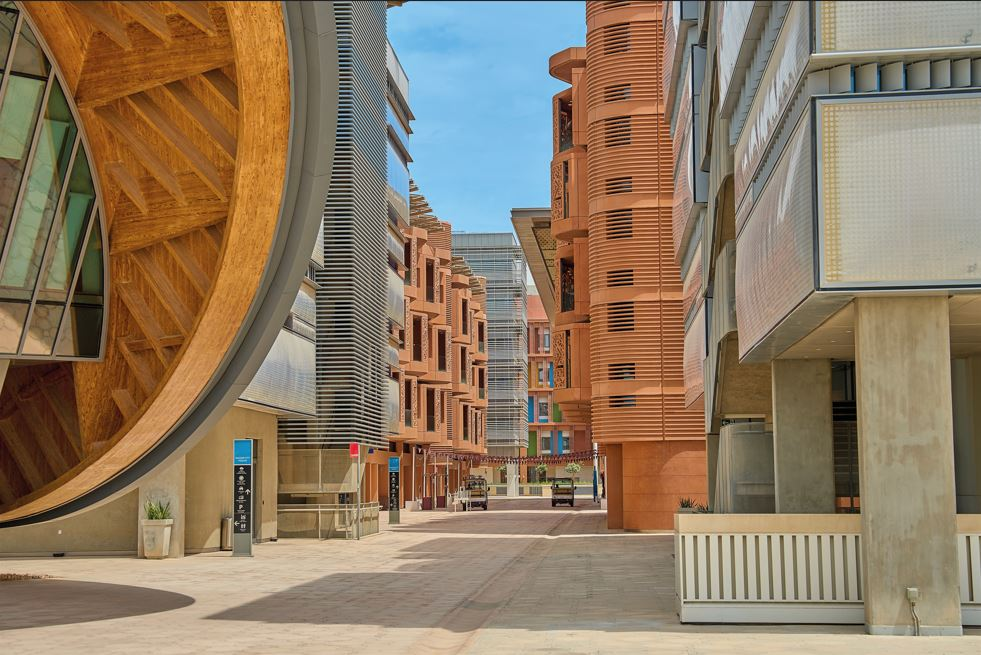

Based in Abu Dhabi, we support startups, SMEs and international companies as they establish and grow with 100% foreign ownership.
We are home to more than 2,500 companies and offer over 1,000 approved business activities within an innovation ecosystem shaped by sustainability, technology and research.
WHY MASDAR FREEZONE
Built for Businesses
That Want to Grow Responsibly.
Five reasons founders and investors
choose Masdar City Free Zone.
 SETUP
SETUP
Zero setup friction
100% foreign ownership,
zero hidden fees
 RESEARCH
Built for R&D
Dedicated space across AI,
life sciences, mobility and more
 SUSTAIN
Sustainability at the core
Anchored by Abu Dhabi's renewable energy
and clean-tech leadership
 CONNECTION
Global gateway
Direct route to Abu Dhabi's
government-led initiatives
 FLEXIBILITY
Flexible by design
From flexi-desk to
lab-ready space, on your terms

HOW MUCH
Know Your Setup Cost
Before You Commit
A transparent, instant estimate.
No hidden fees, no obligation.
The estimate reflects real license and facility options, not a generic starting price. It's the fastest way to understand exactly what setting up in Masdar City involves, start to finish.
Answer a few quick questions about your business activity and team size to see a clear cost breakdown in minutes.
Our secure digital portal makes document submission simple. Track your application status in real time and get guided support at every step, no surprises, no delays.
Upload your documents and we'll confirm requirements within one business day.
From flexi-desks to dedicated labs and private offices, explore workspace options tailored to your team size and business needs, ready as soon as your license is issued.
Book a walkthrough of available spaces across Masdar City.
100% foreign ownership,
zero hidden fees, and a free zone
built for R&D economy.

Industries
Six Clusters Driving
Abu Dhabi's Innovation Economy
From renewable energy to
artificial intelligence, find where
your business fits.



Energy
Renewables and clean-tech,
home to IRENA and Siemens Energy


Life Sciences
Advancing biotech and healthcare innovation ecosystems


Space Tech
Building the region's space and satellite technology hub


SAVI
Smart and Autonomous Vehicles Industry testbed and innovation zone


AGWA
Agriculture technology and water solutions for a sustainable future

AI
Driving artificial intelligence research and applied innovation
CEO’S MESSAGE
Our
Leadership.


Industries
Six Clusters Driving
Abu Dhabi's Innovation Economy
From renewable energy to
artificial intelligence, find where
your business fits.
Managing Staff & Working Hours in Abu Dhabi During Ramadan: Compliance Essentials
.jpg?sfvrsn=25d8d51b_2 "undefined (2)")
Why Working Hour Compliance Matters During Ramadan
Ramadan brings operational adjustments for most businesses in Abu Dhabi. For employers, those adjustments are both practical and legal.
If you’re reviewing Ramadan working hours in Abu Dhabi, your priority should be compliance. Reduced daily hours are mandated under UAE labor regulations, and those rules apply across sectors. Employers remain responsible for maintaining fair schedules, accurate payroll, and proper documentation throughout the month.
Reduced hours do not weaken employer obligations. They reinforce the need for structured planning. Understanding the rules early allows you to adjust staffing models without disrupting operations or risking non-compliance.
What are the Reduced Working Hour Rules?
During Ramadan, daily working hours are legally reduced for employees in the UAE.
These adjustments are mandatory. Employers need to include them in scheduling and workforce planning.
What you need to know:
Daily working hours are reduced during the month
The reduction applies regardless of whether an employee is fasting
Overtime rules remain enforceable
Employment contracts and salary obligations remain unchanged
Reduced hours affect time worked, not contractual responsibility. Employers must still maintain accurate records and ensure workloads remain reasonable within the adjusted timeframe.
Planning shift patterns and approval workflows in advance prevents operational strain once Ramadan begins.
Do Rules Apply to All Employees?
.jpg?sfvrsn=22d28967_2 "download (4)")
Yes. A common misunderstanding is that reduced hours apply only to fasting employees. That is incorrect. The adjustment applies across the workforce, regardless of religion.
This includes:
Contracted employees
Shift-based employees
Office-based staff
Remote or hybrid employees
Employees working within free zones
Employers operating within regulated environments should ensure policies remain aligned with the framework outlined under Legal and Regulation. Clear alignment protects both the business and its employees.
Consistency is essential. Applying different standards across teams without legal basis can create risk.
How Should Shift-Based Roles Be Handled?
Shift-based operations require careful planning during Ramadan.
The goal is to maintain coverage while complying with reduced daily working hours. That often means restructuring schedules rather than compressing workloads into shorter timeframes.
Employers should consider:
Adjusting shift start and end times
Rotating reduced hours fairly across teams
Ensuring rest periods remain compliant
Monitoring overtime carefully
Documenting schedule changes clearly
Avoid the temptation to redistribute the same volume of work into fewer hours without adjusting expectations. That approach increases fatigue and may raise compliance concerns. Structured planning protects productivity while respecting legal requirements.
What Penalties Exist for Non-Compliance?
Labor compliance remains enforceable during Ramadan.
Noncompliance with reduced working hour requirements or overtime rules can lead to regulatory review. Employee complaints may result in inspections, and inaccurate timesheets or inconsistent scheduling practices can put the business at risk of corrective action.
While enforcement mechanisms vary, the principle is simple: employers are expected to comply with labor law throughout the year, including Ramadan.
Maintaining accurate attendance records, payroll documentation, and clear internal communication significantly reduces compliance risk.
Compliance is not only about avoiding penalties. It reinforces trust within your workforce.
Maintaining Compliance Without Disruption
Reduced working hours are predictable as they occur every year. With proper preparation, they do not need to disrupt your business.
Before Ramadan begins, review internal policies and ensure scheduling systems reflect the adjusted hours. Train managers on their responsibilities, and clearly communicate revised expectations to staff.
At Masdar City Free Zone, businesses operate within a structured regulatory environment that supports clarity and consistency throughout the year. Aligning your internal practices with established compliance standards provides stability during seasonal adjustments.
Strengthening Your Internal Controls
Ramadan is a reminder to review workforce management practices.
Audit your scheduling framework, confirm your overtime calculations, ensure employee contracts are properly documented, and verify that HR teams understand how reduced hours apply across different roles. Small oversights often create the largest compliance risks.
If you would like clarity on your workforce obligations or policy alignment, reach out to us. Our team can help you review your approach and ensure you remain fully compliant.
Frequently Asked Questions
Are working hours legally reduced during Ramadan in Abu Dhabi?
Yes. Daily working hours are legally reduced during Ramadan across the UAE, including Abu Dhabi. This applies to private sector employees and must be reflected in employer scheduling. The reduction does not affect salary or contractual obligations.
Do reduced Ramadan working hours apply to non-Muslim employees?
Yes. The reduced working hour rule applies to all employees in the private sector, regardless of religion. Employers must apply the adjustment consistently across their workforce.
Can employers require overtime during Ramadan?
Overtime is permitted during Ramadan, but it must comply with UAE labor law requirements. Employers must ensure proper compensation and avoid breaching reduced working hour rules when calculating total hours worked.
Are free zone companies required to follow Ramadan working hour rules?
Yes. Free zone companies in Abu Dhabi are required to comply with applicable UAE labor regulations, including reduced working hour provisions during Ramadan.
What happens if a company does not reduce working hours during Ramadan?
Failure to comply with reduced working hour requirements may expose the employer to regulatory review or employee complaints. Maintaining accurate scheduling and payroll documentation reduces compliance risk.
FAQs
Everything You Need to Know
Before You Start
Straight answers to the questions
investors ask most.
01.
Masdar City Free Zone is Abu Dhabi's leading sustainable free zone and business community, located within Masdar City, one of the world's most advanced urban developments. It offers businesses 100% foreign ownership, 0% import tariffs, and cost-effective licensing, along with streamlined setup support through a One-Stop Shop service.

02.
Setting up in Masdar City Free Zone is a simple, guided process. You choose your license type, submit the required documents, and our One-Stop Shop team handles registration, approvals, and visa processing on your behalf, so you can be operational in a matter of days.
03.
Yes. Companies registered in Masdar City Free Zone benefit from full 100% foreign ownership, with no local sponsor or partner required, giving you complete control over your business.
04.
Free zone companies are generally licensed to operate within the free zone and internationally. To trade directly within mainland UAE, an additional mainland license or local distributor arrangement may be required.
05.
Masdar City Free Zone offers a highly competitive tax environment, including 0% personal income tax, with corporate tax applied in line with UAE federal regulations and available free zone incentives.
06.
Businesses can choose from flexible options including flexi-desks, dedicated offices, and larger customized commercial spaces, all designed within Masdar City's sustainable, tech-enabled infrastructure.
07.
Yes, licenses are renewed annually through a straightforward process, with reminders and support provided by the Masdar City Free Zone team to ensure uninterrupted business continuity.