

Join +1500 world known Global Innovators and companies
•
Join +1500 world known Global Innovators and companies
•
Join +1500 world known Global Innovators and companies
We Are Masdar City Free Zone
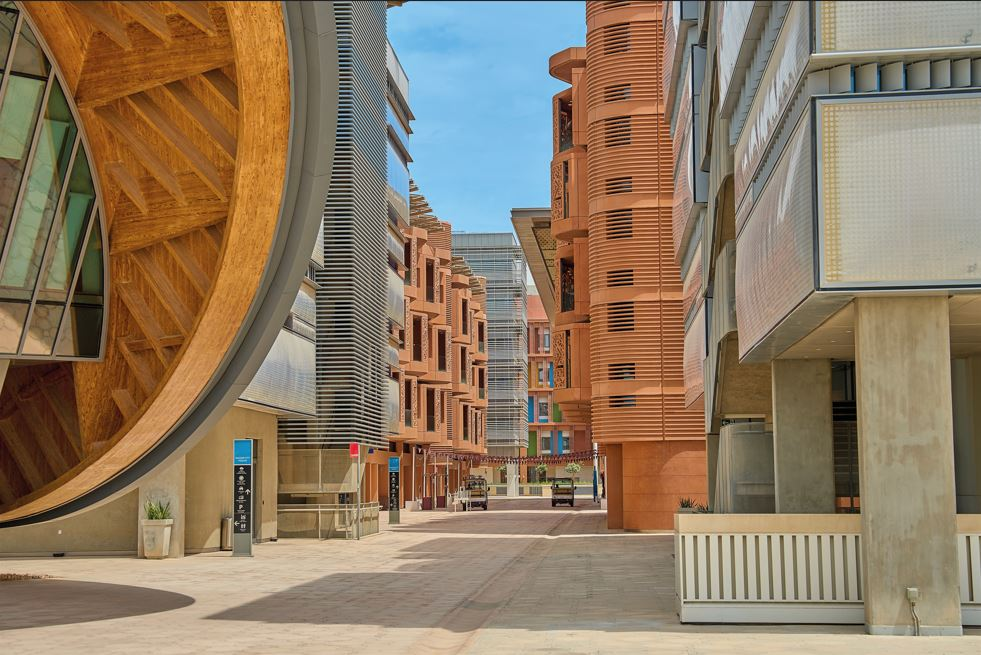
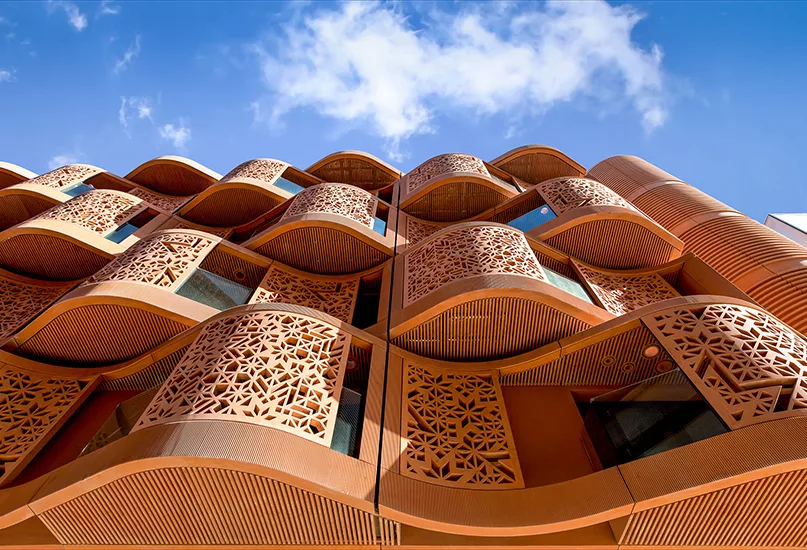
Based in Abu Dhabi, we support startups, SMEs and international companies as they establish and grow with 100% foreign ownership.
We are home to more than 2,500 companies and offer over 1,000 approved business activities within an innovation ecosystem shaped by sustainability, technology and research.
WHY MASDAR FREEZONE
Built for Businesses
That Want to Grow Responsibly.
Five reasons founders and investors
choose Masdar City Free Zone.
 SETUP
SETUP
Zero setup friction
100% foreign ownership,
zero hidden fees
 RESEARCH
Built for R&D
Dedicated space across AI,
life sciences, mobility and more
 SUSTAIN
Sustainability at the core
Anchored by Abu Dhabi's renewable energy
and clean-tech leadership
 CONNECTION
Global gateway
Direct route to Abu Dhabi's
government-led initiatives
 FLEXIBILITY
Flexible by design
From flexi-desk to
lab-ready space, on your terms

HOW MUCH
Know Your Setup Cost
Before You Commit
A transparent, instant estimate.
No hidden fees, no obligation.
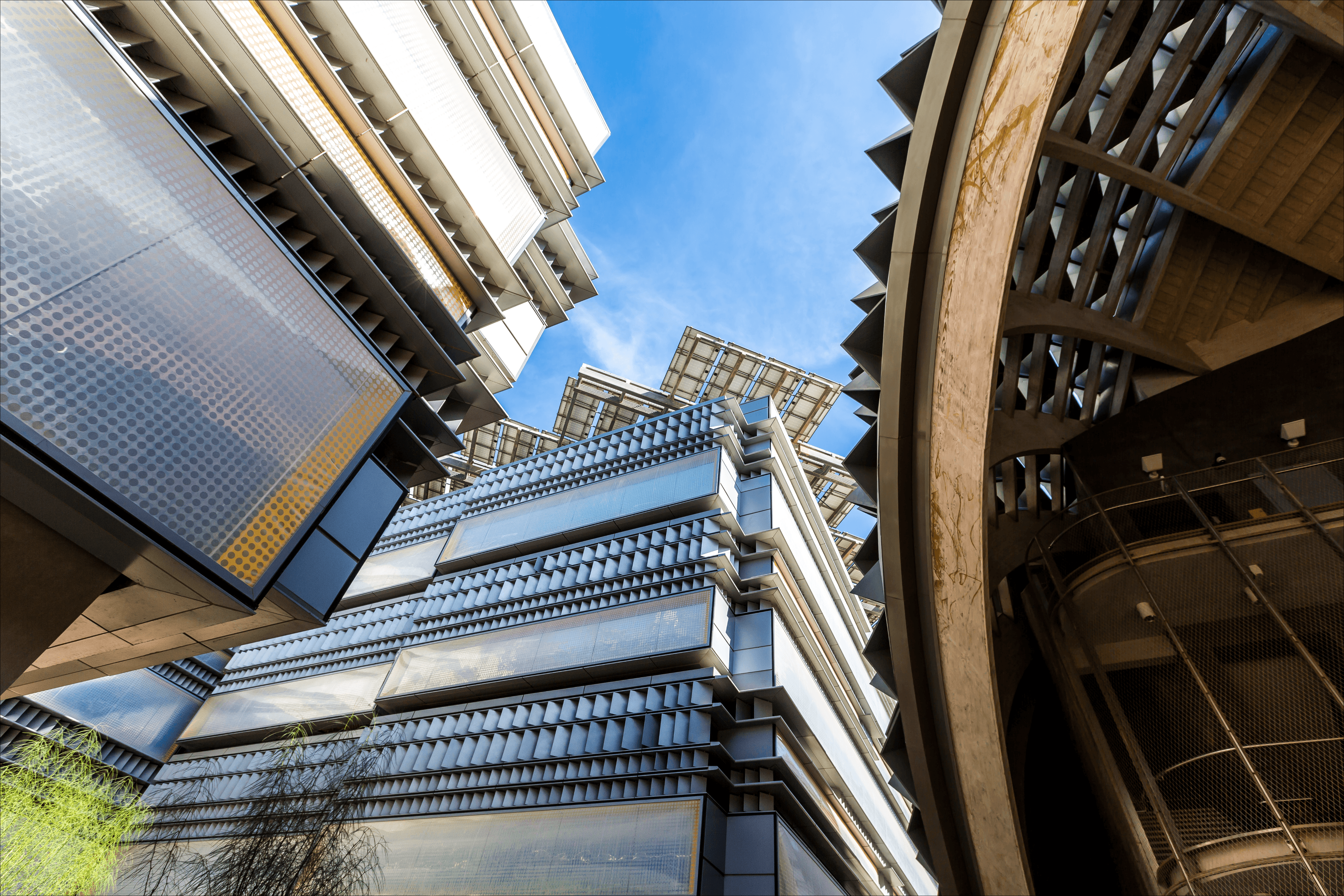
The estimate reflects real license and facility options, not a generic starting price. It's the fastest way to understand exactly what setting up in Masdar City involves, start to finish.
Answer a few quick questions about your business activity and team size to see a clear cost breakdown in minutes.
Our secure digital portal makes document submission simple. Track your application status in real time and get guided support at every step, no surprises, no delays.
Upload your documents and we'll confirm requirements within one business day.
From flexi-desks to dedicated labs and private offices, explore workspace options tailored to your team size and business needs, ready as soon as your license is issued.
Book a walkthrough of available spaces across Masdar City.
100% foreign ownership,
zero hidden fees, and a free zone
built for R&D economy.

Industries
Six Clusters Driving
Abu Dhabi's Innovation Economy
From renewable energy to
artificial intelligence, find where
your business fits.
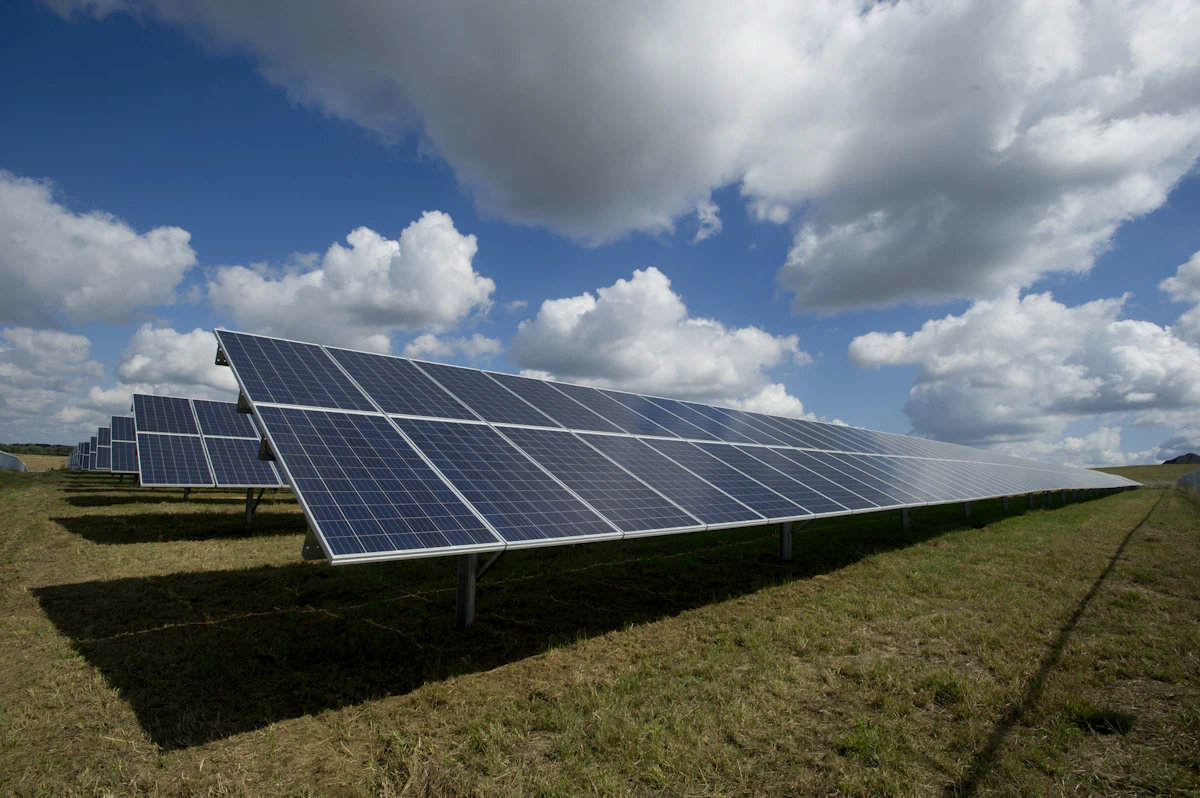


Energy
Renewables and clean-tech,
home to IRENA and Siemens Energy


Life Sciences
Advancing biotech and healthcare innovation ecosystems


Space Tech
Building the region's space and satellite technology hub


SAVI
Smart and Autonomous Vehicles Industry testbed and innovation zone


AGWA
Agriculture technology and water solutions for a sustainable future

AI
Driving artificial intelligence research and applied innovation
CEO’S MESSAGE
Our
Leadership.

Industries
Six Clusters Driving
Abu Dhabi's Innovation Economy
From renewable energy to
artificial intelligence, find where
your business fits.
Why International Companies Are Using Abu Dhabi as a Safe Hub Amid Global Supply Chain Disruption
Learn why international companies are using Abu Dhabi and Masdar City as resilient regional hubs for continuity, stability & growth.

Supply Chain Resilience Has Become a Boardroom Priority
For years, global supply chains were designed around one primary goal: efficiency.
Companies optimized manufacturing, logistics, and sourcing strategies to reduce costs and accelerate speed. But over the last several years, that approach has been tested repeatedly by shipping disruption, trade volatility, tariff uncertainty, supplier concentration risk, and regional instability across major global routes.
As a result, supply chain resilience has moved from an operational concern into a boardroom-level strategic priority.
Businesses are now asking different questions:
How quickly can operations recover from disruption?
Where should secondary logistics hubs be located?
Which jurisdictions offer long-term stability?
How can regional operations continue functioning during external shocks?
This shift is changing how multinational companies structure regional headquarters, warehousing strategies, and operational footprints.
Instead of relying on a single major node, many businesses are now building:
Redundant supply chain hubs
Secondary operating centers
Regional continuity infrastructure
Diversified logistics access points
That trend is one reason Abu Dhabi is receiving growing attention from international companies in 2026.
According to the UAE National Programme to Strengthen Supply Chain Resilience announcement, the UAE has now formally launched a national resilience-focused initiative to ensure the country can reliably access essential goods even during global disruptions (Gulf News, 2026).
For multinational businesses, that signals something important: supply chain resilience is no longer being treated as a temporary disruption issue. It is becoming part of long-term national economic planning.
Importantly, “safe” in this context does not mean disruption-proof. It means companies are increasingly prioritizing jurisdictions with stronger continuity planning, infrastructure reliability, and institutional stability when evaluating long-term operational hubs.
Why Abu Dhabi Is Emerging as a Strategic Stability Hub
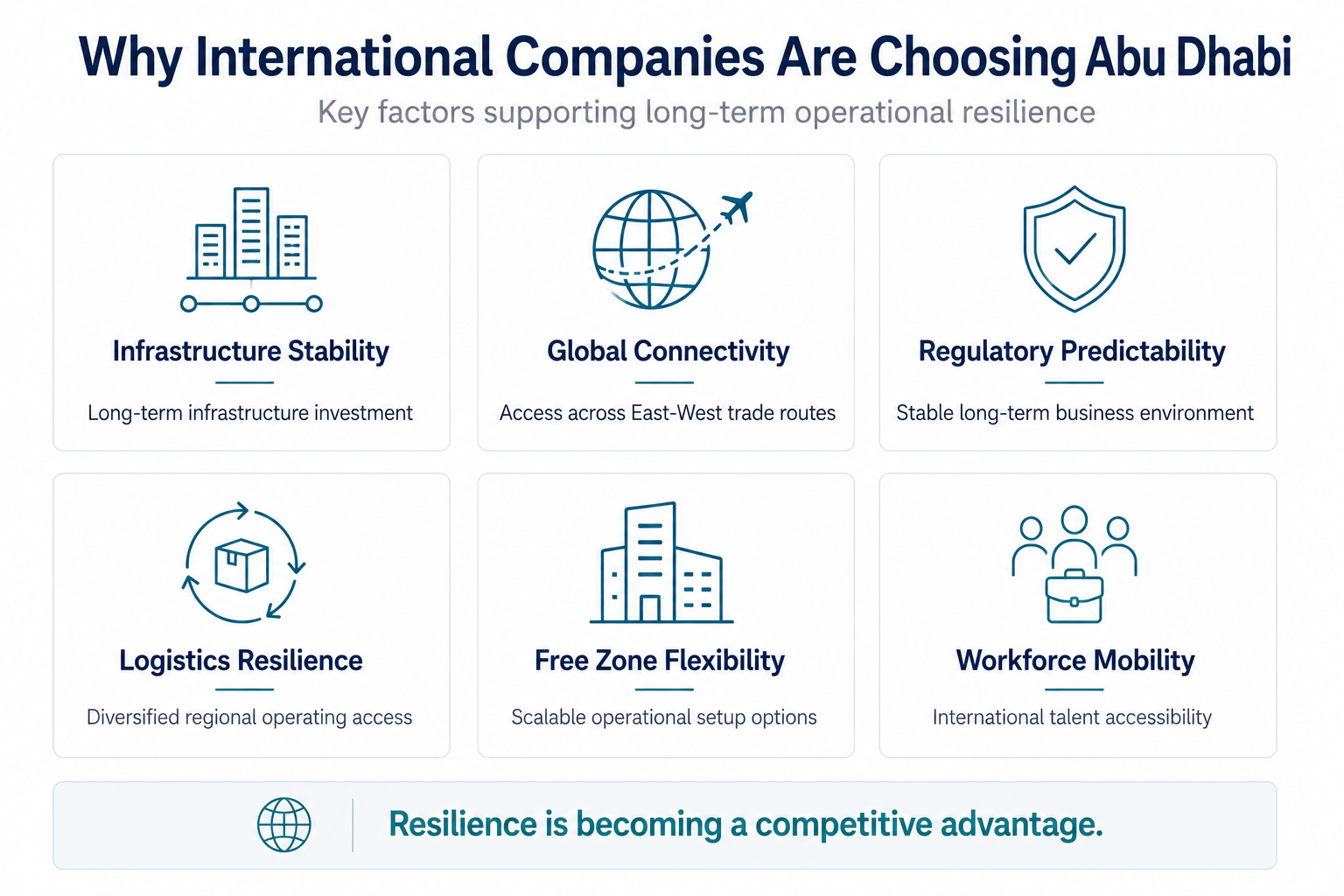
Abu Dhabi is increasingly being viewed as more than a regional commercial center. It’s becoming a strategic operational base for companies prioritizing continuity, infrastructure reliability, and long-term stability.
That positioning comes from several factors working together:
Sovereign financial strength
Infrastructure investment
Geographic connectivity
Regulatory predictability
Long-term economic planning
Abu Dhabi plays a major role in the UAE economy, serving as a key driver of many of the country’s long-term development strategies. For instance, in 2023, the emirate accounted for 62% of the UAE’s national GDP.
The emirate also maintains a strong AA credit rating from Fitch, reinforcing international confidence in its fiscal stability and sovereign financial position.
The emirate continues investing heavily in:
Logistics infrastructure
Industrial development
Trade connectivity
Advanced manufacturing
Technology ecosystems
International investment platforms
For multinational companies, these factors matter operationally.
Businesses evaluating regional hubs increasingly prioritize:
Infrastructure continuity
Long-term policy consistency
Stable operating conditions
Workforce accessibility
Cross-border connectivity
Abu Dhabi’s position between East-West trade routes also strengthens its role within broader international logistics networks.
Importantly, the emirate’s appeal is not based on short-term market cycles alone. Companies increasingly see Abu Dhabi as a location capable of supporting multi-decade operational planning.
What the UAE National Program to Strengthen Supply Chain Resilience Means for Businesses
The UAE’s National Program to Strengthen Supply Chain Resilience represents a significant shift in how the country approaches long-term trade continuity and operational preparedness.
Rather than reacting to disruption after it happens, the program focuses on proactive resilience planning.
In practical terms, the initiative includes:
Identification of vital goods categories
Strategic inventory coordination
Supply chain monitoring
Logistics continuity planning
Public-private coordination mechanisms
Infrastructure preparedness initiatives
Import diversification strategies
Support for local production capacity
The program also focuses heavily on safeguarding essential sectors linked to:
Food supply
Medical products
Industrial goods
Critical infrastructure continuity
For businesses, this creates a more structured environment for continuity planning.
That matters because many multinational companies are now evaluating locations based on:
Operational predictability
Inventory resilience
Logistics reliability
Disruption recovery capability
Government coordination capacity
The UAE’s approach signals that resilience is being treated as a national competitiveness issue rather than only a logistics problem.
For international operators, this can support:
More predictable regional planning
Stronger inventory continuity
Improved supplier diversification strategies
Greater confidence in regional logistics infrastructure
Businesses moving products across multiple markets increasingly value jurisdictions that are investing directly into resilience planning rather than relying solely on private-sector adaptation.
Why Multinationals Are Expanding Regional Operations in Abu Dhabi
Many international companies are increasingly considering multi-hub operating structures rather than relying on a single regional office model for the entire Middle East.
Instead, businesses are evaluating:
Secondary operational hubs
Distributed regional headquarters
Additional warehousing capacity
Redundant logistics infrastructure
This strategy helps reduce concentration risk while improving operational continuity.
Abu Dhabi fits naturally into this model because it combines:
International accessibility
Business stability
Infrastructure investment
Regulatory clarity
Scalable free zone environments
The emirate is also becoming increasingly attractive for multinational workforce planning.
International businesses value environments that support:
Executive mobility
Global talent attraction
Long-term operational planning
International family relocation
Regional management coordination
For many companies, the goal is no longer choosing the cheapest operational environment possible. The priority is building an operating structure that remains functional and scalable during periods of global uncertainty.
That shift is changing how businesses evaluate regional headquarters decisions across the GCC.
How Abu Dhabi’s Free Zone Infrastructure Supports Business Continuity
Free zones play an important role in regional continuity planning because they simplify operational setup and scaling.
During periods of disruption, operational simplicity becomes extremely valuable.
For international businesses, free zone environments can help support:
Streamlined company setup
Ownership flexibility
Regional expansion coordination
Warehousing scalability
International hiring processes
Import/export operations
Infrastructure access
Businesses operating across multiple jurisdictions often prioritize environments that reduce administrative friction and allow operations to scale efficiently.
That becomes especially important when companies are:
Expanding rapidly
Restructuring supply chains
Relocating regional functions
Diversifying operational risk
Abu Dhabi’s free zone ecosystem increasingly supports these priorities through a combination of:
Logistics connectivity
Infrastructure investment
Regulatory coordination
International business accessibility
For many multinational operators, resilience is not only about warehouses or shipping routes. It’s also about how quickly operations can adapt when external conditions change.
Why Masdar City Fits the New Corporate Resilience Model
As companies rethink regional operating models, ecosystems that combine infrastructure reliability, accessibility, and operational efficiency are becoming increasingly attractive.
This is where Masdar City stands out.
within Abu Dhabi’s broader resilience-focused economic strategy, Masdar City combines:
Sustainability-focused infrastructure
International accessibility
Streamlined business setup
Technology-oriented ecosystems
Operational predictability
The location also creates practical operational advantages.
Masdar City is:
Approximately 5 minutes from Zayed International Airport
Roughly 45 minutes from Dubai
Positioned within a highly connected regional infrastructure network
For international companies, proximity matters operationally.
It can support:
Executive mobility
Faster logistics coordination
Easier international travel access
Cross-border operational management
Regional workforce movement
The ecosystem also includes a community of more than 1,500 companies operating across:
Technology
Sustainability
Innovation
Advanced industries
Professional services
That clustering effect is increasingly valuable for multinational businesses seeking:
Partnership opportunities
Ecosystem integration
Operational efficiency
Infrastructure consistency
Long-term planning environments
Businesses evaluating Masdar City’s business ecosystem and infrastructure advantages are increasingly looking beyond traditional office setup considerations alone. They’re evaluating whether an operating environment can support resilience, continuity, and scalability over time.
Stability Is Becoming a Competitive Advantage in Global Trade
For decades, low-cost optimization dominated international trade strategy.
Today, stability is becoming a competitive advantage.
Businesses increasingly evaluate locations based on:
Infrastructure resilience
Operational continuity
Workforce stability
Logistics reliability
Regulatory consistency
Cross-border accessibility
This does not mean costs have become irrelevant. But companies are now balancing efficiency against risk exposure in a much more serious way.
The result is a growing preference for operating environments that can support:
Long-term planning
Predictable operations
Resilient logistics
Diversified regional access
Abu Dhabi increasingly fits this profile because it combines sovereign financial strength, infrastructure investment, and international connectivity inside a relatively stable operating environment.
For multinational companies, that combination is becoming strategically valuable.
Why Companies Are Prioritizing Redundant Regional Hubs
One of the biggest structural shifts happening globally is the move toward multi-hub operational models.
Instead of relying on one regional headquarters or one logistics center, businesses are increasingly building:
Secondary operating hubs
Backup logistics nodes
Distributed management structures
Regional continuity infrastructure
This approach improves resilience when disruptions affect:
Shipping routes
Regional transport systems
Supplier networks
Customs flows
Workforce mobility
Abu Dhabi is increasingly being used within these strategies because it combines:
Strong infrastructure
International accessibility
Sovereign stability
Free zone flexibility
Business continuity planning
Long-term economic investment
For many multinational businesses, resilience is no longer viewed as a defensive measure alone. It’s becoming part of long-term competitive strategy.
Long-Term Business Continuity Is Reshaping Regional Expansion Strategy
International companies are increasingly choosing regional operating environments based not only on growth potential, but also on continuity, resilience, and long-term stability.
That shift is changing how businesses evaluate regional headquarters, logistics hubs, and expansion strategies across the Middle East.
Abu Dhabi is benefiting from this transition because it combines:
Sovereign financial strength
Infrastructure investment
Logistics connectivity
Regulatory consistency
Free zone operational flexibility inside a highly connected international business environment.
Masdar City reflects many of those advantages at an operational level through its accessibility, ecosystem structure, and streamlined business setup model.
Businesses evaluating Abu Dhabi as part of a broader resilience or expansion strategy can explore setup options with our team. For more tailored guidance around operational setup pathways and free zone strategy, speak with our team.
FAQs
Why are international companies choosing Abu Dhabi as a regional headquarters in 2026?
International companies are increasingly choosing Abu Dhabi because it combines:
Business stability
Sovereign financial strength
Logistics connectivity
Infrastructure investment
Regulatory predictability
Free zone operational flexibility
Businesses are also prioritizing locations that support long-term supply chain resilience and operational continuity rather than focusing only on cost efficiency.
What is the UAE National Program to Strengthen Supply Chain Resilience?
The UAE National Program to Strengthen Supply Chain Resilience is a government-led initiative launched in 2026 to strengthen continuity planning across key sectors.
The program focuses on:
Vital goods monitoring
Strategic stockpiling
Logistics coordination
Import diversification
Support for local production
Public-private resilience planning
Its goal is to improve long-term operational resilience across critical supply chains.
How does Abu Dhabi's free zone infrastructure support supply chain stability?
Abu Dhabi’s free zones help support business continuity through:
Streamlined company setup
Ownership flexibility
Warehousing scalability
International hiring support
Logistics connectivity
Import/export coordination
These operational advantages can help multinational companies adapt more efficiently during periods of supply chain disruption or regional restructuring.
What makes Abu Dhabi more stable than other regional business hubs for multinationals?
Multinational companies increasingly view Abu Dhabi as a stable operating environment because of factors such as:
Strong sovereign financial positioning
AA Fitch credit rating
Long-term infrastructure investment
International connectivity
Regulatory consistency
Economic diversification
Government-backed continuity planning
These factors support long-term operational predictability and business continuity planning for international companies.
FAQs
Everything You Need to Know
Before You Start
Straight answers to the questions
investors ask most.
01.
Masdar City Free Zone is Abu Dhabi's leading sustainable free zone and business community, located within Masdar City, one of the world's most advanced urban developments. It offers businesses 100% foreign ownership, 0% import tariffs, and cost-effective licensing, along with streamlined setup support through a One-Stop Shop service.

02.
Setting up in Masdar City Free Zone is a simple, guided process. You choose your license type, submit the required documents, and our One-Stop Shop team handles registration, approvals, and visa processing on your behalf, so you can be operational in a matter of days.
03.
Yes. Companies registered in Masdar City Free Zone benefit from full 100% foreign ownership, with no local sponsor or partner required, giving you complete control over your business.
04.
Free zone companies are generally licensed to operate within the free zone and internationally. To trade directly within mainland UAE, an additional mainland license or local distributor arrangement may be required.
05.
Masdar City Free Zone offers a highly competitive tax environment, including 0% personal income tax, with corporate tax applied in line with UAE federal regulations and available free zone incentives.
06.
Businesses can choose from flexible options including flexi-desks, dedicated offices, and larger customized commercial spaces, all designed within Masdar City's sustainable, tech-enabled infrastructure.
07.
Yes, licenses are renewed annually through a straightforward process, with reminders and support provided by the Masdar City Free Zone team to ensure uninterrupted business continuity.