.svg?sfvrsn=a2a08b41_2 "Masdar-City-Free-Zone-Header-Resized")
What Is a Free Zone in the UAE & How Does It Work in Abu Dhabi?

If you’re exploring business setup in the UAE, you’ve probably come across the term ‘free zone’ more than once. It’s usually described as a simpler, more flexible way to start a company, yet many people aren’t fully sure what it actually means or how it works in practice, especially in Abu Dhabi.
This blog aims to clear that up. You’ll learn what a free zone is, how free zones operate in Abu Dhabi, who they’re designed for, and what kinds of activities are usually allowed. By the end, you should have a clearer picture of whether this structure fits your plans, before you move on to any decisions.
What Is a Free Zone in the UAE?
A free zone is a designated area where businesses operate under a specific regulatory framework created to attract investment and support economic growth. When people ask what a free zone is in the UAE, they’re usually trying to understand how these zones differ from other ways of setting up a business.
At a high level, a free zone:
Has its own licensing and regulatory authority
Allows businesses to be fully owned by foreign shareholders
Defines which business activities can operate within that zone
Provides a structured environment designed to make setup and compliance clearer
Rather than applying one set of rules across the entire country, free zones allow regulators to tailor requirements around specific industries or business types. This is why you’ll sometimes see free zones focused on areas like technology, research, professional services, or sustainability-driven sectors.
The goal is not to create shortcuts or grey areas, but to provide transparency and certainty so businesses know exactly where they stand from day one.
How do Free Zones Operate in Abu Dhabi?
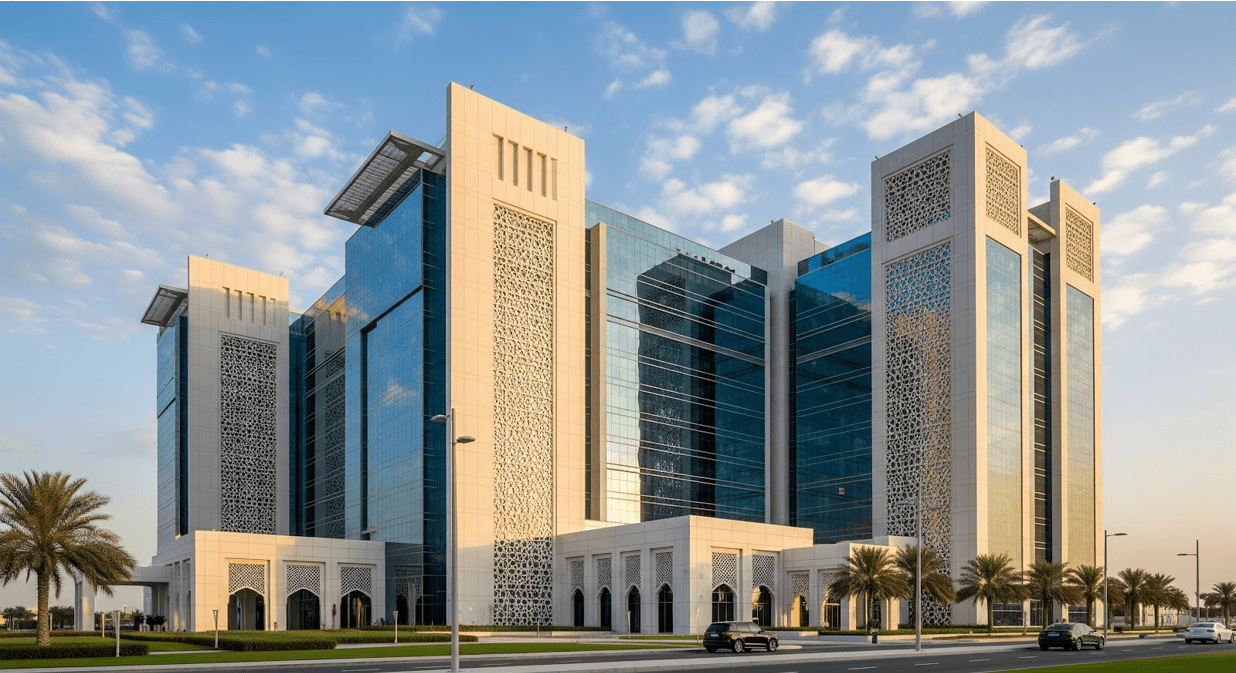
In Abu Dhabi, free zones function as regulated business jurisdictions that operate alongside federal UAE laws. Each free zone has its own authority responsible for licensing, visas, and ongoing compliance, while still aligning with national regulations.
For you, this usually means a more streamlined experience. Instead of dealing with multiple entities across different stages of setup, many processes are handled within the free zone itself. Licensing, visa allocation, and access to facilities are commonly coordinated through one central authority.
Abu Dhabi’s free zones are also closely linked to government-led economic priorities. They are designed to support long-term growth in specific sectors while maintaining clear oversight and accountability. They’re designed to support long-term growth in specific sectors while maintaining clear oversight and accountability.
If you want to understand how this works in practice, particularly how licences are structured and approved, our License and Registration page explains the framework in more detail.
Who Should Consider a Free Zone Company?
A free zone company is not the right fit for every business, but it works well for certain profiles.
You may want to consider this structure if:
You are setting up a business with foreign shareholders
Your operations do not rely on a walk-in retail presence outside the zone
You prefer a clearly defined regulatory environment from the start
Your business activity fits within the scope approved by a free zone authority
Many startups and international firms choose a free zone because it reduces uncertainty early on. The rules are set out clearly, and you know what is permitted before you commit.
In Abu Dhabi, free zones such as Masdar City Free Zone are also designed to support specific industries through dedicated infrastructure and regulatory support. This can make day-to-day operations more predictable, particularly for innovation-led or professional service businesses.
What Activities are Allowed?
Every free zone operates with a defined list of permitted activities. Your licence determines what your company can legally do, and staying within that scope is essential.
Activities are usually grouped into broad categories, such as:
Professional and consultancy services
Technology and innovation-focused operations
Research, development, and specialized services
Rather than offering unlimited flexibility, free zones prioritize clarity. You apply for a license that matches your intended activity, and your business must operate within those boundaries. This protects both the company and the wider business environment.
Because activity selection affects licensing, visas, and compliance obligations, it’s important to understand these limits early. Reviewing the licensing framework and asking questions before applying can prevent delays later.
Understanding Whether a Free Zone Structure is Right for You
Free zones are designed to simplify business setup, not complicate it. They work best when you understand the structure first, then decide whether it aligns with your goals, activity type, and growth plans.
If you’re still weighing your options, learning how licenses work and what’s required at each stage is a sensible next step. And if you would rather talk it through with someone who understands the Abu Dhabi framework, you can always get in touch with our team for guidance tailored to your situation.