.svg?sfvrsn=a2a08b41_2 "Masdar-City-Free-Zone-Header-Resized")
Vertical Farming in Abu Dhabi: How to Launch an Agri-Tech Business in Masdar City Free Zone
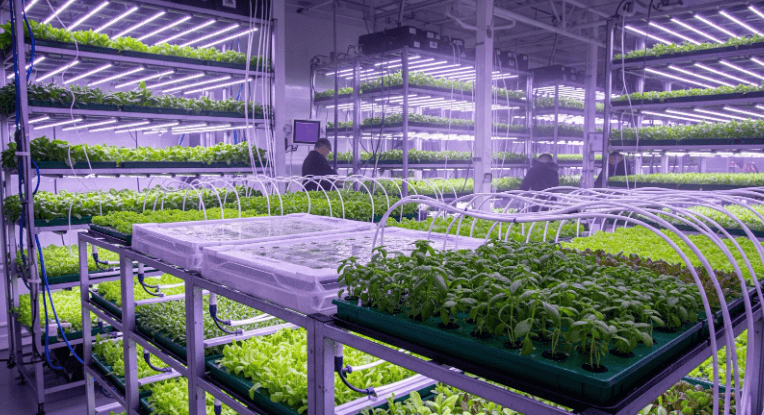
A New Way to Grow Food in the Desert
Anyone living in Abu Dhabi knows how tough traditional farming can be in the desert. Water scarcity, extreme heat, and limited arable land make it hard to grow fresh produce consistently. Yet, the demand for healthy, locally grown food keeps rising. That gap has opened the door for vertical farming and indoor agriculture to take root here.
At Masdar City Free Zone, we’ve watched agri-tech teams arrive with ideas that wouldn’t have been possible a decade ago. They’re tackling water use, food resilience, indoor crop production, and new forms of sustainable agriculture. This guide walks you through how those businesses got started, how AGWA supports them, and what the licensing steps look like from the Free Zone’s side.
Why Abu Dhabi Is Prioritizing Vertical Farming and Agri-Tech
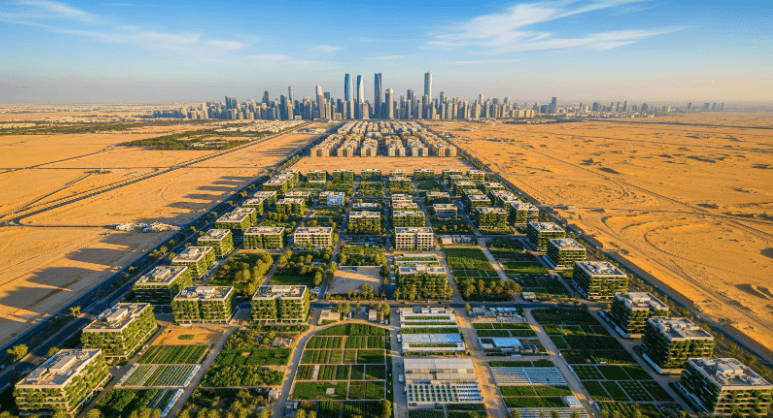
Abu Dhabi understands the value of stable food production, especially in a region where climate conditions make conventional farming difficult. For anyone exploring vertical farming in the UAE, the emirate offers one of the most promising environments to build and scale these systems. Indoor farming lets companies grow fresh produce year-round without relying on vast fields or heavy water use, which makes it appealing to both investors and policymakers.
You also see a growing focus on food and water security across the emirate. When farms can operate in temperature controlled spaces and reuse most of their water, the entire system becomes more reliable. This shift has encouraged companies to develop technologies that help Abu Dhabi produce more food locally, with far less strain on natural resources.
How AGWA Supports High Potential Agri-Tech Innovators
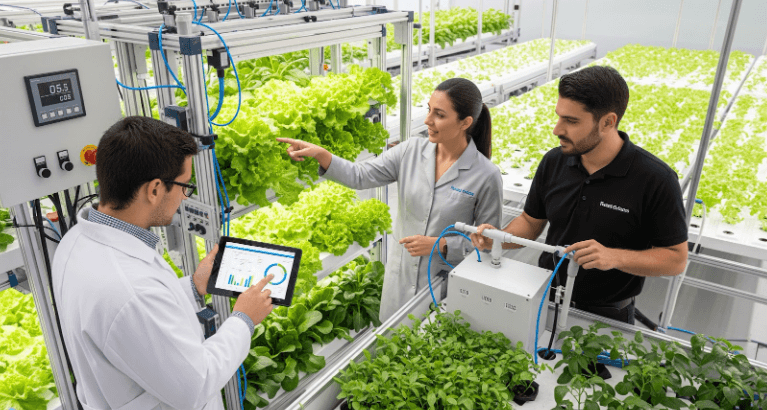
AGWA, short for AgriFood Growth and Water Abundance, was created to help businesses working on sustainable food systems. It brings together people exploring ideas like indoor vertical farms, efficient water reuse systems, alternative food production methods, and technologies that reduce environmental impact.
As AGWA is backed by organizations such as ADIO, companies benefit from being close to the teams shaping Abu Dhabi’s long-term food and water strategy. If you’re building solutions for controlled environment agriculture or sustainable crop production, AGWA gives you a place where your work makes sense and has room to grow.
What Agri-Tech Activities Fit Inside Masdar City Free Zone
The Free Zone supports a wide mix of activities linked to farming technology and sustainable agriculture. Agri-tech companies typically fall under categories such as:
Clean Tech and ICT
Renewable Energy
Sustainability focused service providers
These categories work for businesses developing smart irrigation systems, indoor growing tech, vertical farming frameworks, water saving tools, agri robotics, or data driven crop management. You don’t need to guess where your work fits, as the activity list is broad enough for most models.
Licensing: How to Register an Agri-Tech Company Step By Step
Step 1: Choose the Right Structure
Your legal structure shapes everything from ownership to paperwork. Most founders choose one of these:
Free Zone Limited Liability Company for new entities
Branch of a Foreign Company to expand an existing business
Branch of a UAE Company for local firms entering the Free Zone
Each option suits a different stage of growth. Early teams often prefer structures that keep things flexible as their technology evolves.
Step 2: Select the Correct License
Agri-tech companies usually pick license types that support indoor farms, controlled environment agriculture, or sustainable food technologies. The right license depends on your exact model, but the categories listed above cover most setups cleanly. Whether you’re building a climate-controlled farm or designing water-efficient systems, the license structure fits an agritech company without complications.
Step 3: Licensing and Approvals
The Free Zone’s One-Stop Shop keeps the paperwork straightforward. You’ll handle your registration, documentation, and approvals in one place, with clear fees and no unexpected extras. If your work depends on government programmes or support, you can explore relevant incentives through Abu Dhabi Government Initiatives.
Step 4: Secure Workspace or Facilities
You can start small with:
Flexi desks
Dedicated desks
Compact offices
Many agri-tech companies begin with research, design, or software development, and only later move into larger controlled spaces or pilot setups. When the time comes to expand into customized areas, you can look at Commercial Leasing if the fit feels natural for your operation.
Step 5: Set Up Visas
Your workspace type determines how many visas you can issue. Most agri-tech teams bring in specialists for plant science, engineering, or environmental design, so having the right visa allocation matters. Investor and professional visas are supported, which helps you build the team you need from day one.
A Grounded Sustainability Case Study: How a Vertical Farm Could Start Here
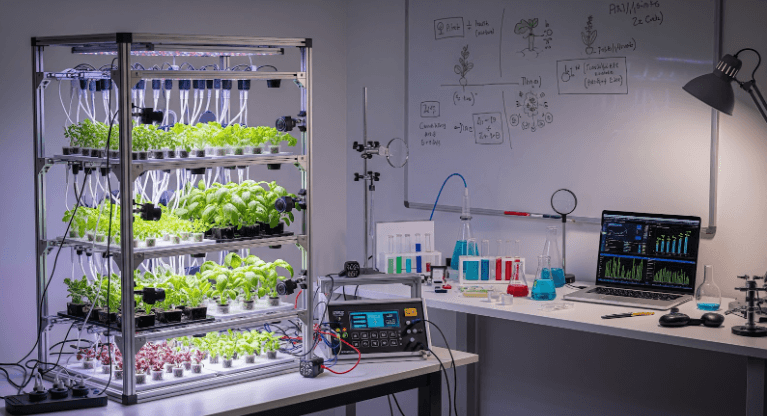
Imagine a startup arriving in Abu Dhabi with a plan to build a compact vertical farm that uses very little water. They begin with a Flexi desk because the founding team is small and they’re mostly focused on testing plant growth cycles and refining their indoor systems.
Once the concept shows promise, they join AGWA to connect with people working on water efficiency and food resilience. Insights from those conversations shape their next design phase, and they move into a dedicated office where hardware prototypes and environmental sensors can be developed in-house.
When they’re ready to scale, they explore a larger fitted space that supports lighting rigs, nutrient systems, and early production runs. Throughout this process, they rely on stable power, clear regulations, and easy access to partners looking for sustainable food solutions.
This growth path isn’t unusual. Many agri-tech teams follow a similar journey, moving at a pace that fits their testing cycles and investment plans.
Why Masdar City Free Zone Helps Agri-Tech Companies Grow Responsibly
Agri-tech companies need an organized environment where water, energy, and land are managed responsibly. Masdar City Free Zone offers that foundation. You work in a sustainable district close to the airport, supported by clusters working on renewable energy, AI, clean technology, and water innovation.
You’ll also appreciate the clarity around fees and licensing. There are no hidden charges, and the process is built to help you focus on product development rather than paperwork. When your work contributes to Abu Dhabi’s wider sustainability goals, having that level of stability goes a long way.
Where Your Agri-Tech Journey Can Go Next
Vertical farming is becoming one of the most practical ways to grow food in the desert, and Abu Dhabi is giving these ideas room to thrive. If you’re building something for the future of food or water resilience, you’ll find a supportive home here and a clear path to get started.
Feel free to get in touch if you’d like help planning your setup or want to talk through your next steps.